Kenya’s political scene has been rocked by explosive claims that former Deputy President Rigathi Gachagua is playing a dangerous double game—publicly attacking President William Ruto while secretly seeking a political truce with him ahead of the 2027 elections.
The bombshell was dropped by Anne Waiguru, who revealed that Gachagua has allegedly been sending emissaries to State House even as he rallies the Mt Kenya region against the government.
“Rigathi Gachagua has been sending emissaries to William Ruto because he believes the opposition has no direction,” Waiguru said, claiming the former deputy president wants to “punguza matusi”—tone down his attacks—in exchange for political accommodation and influence over Mt Kenya votes.
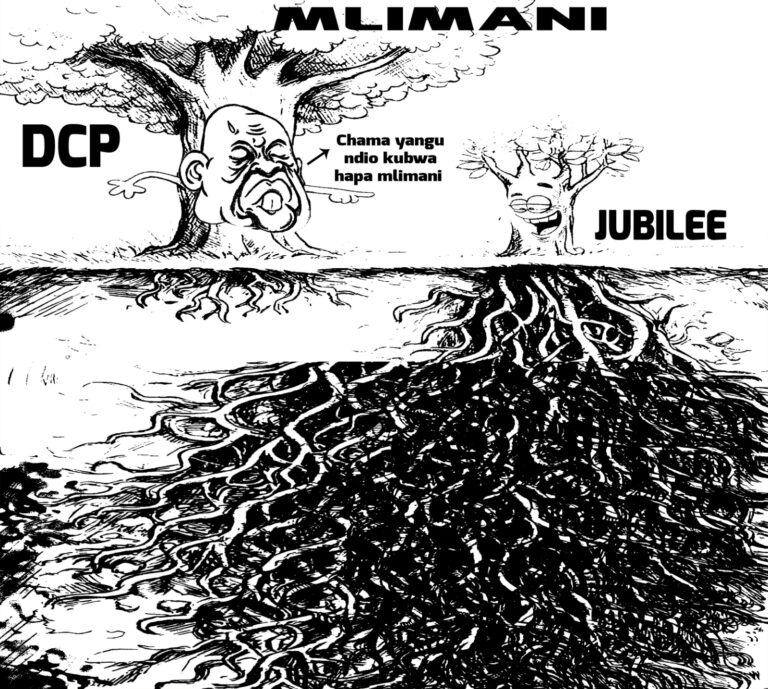
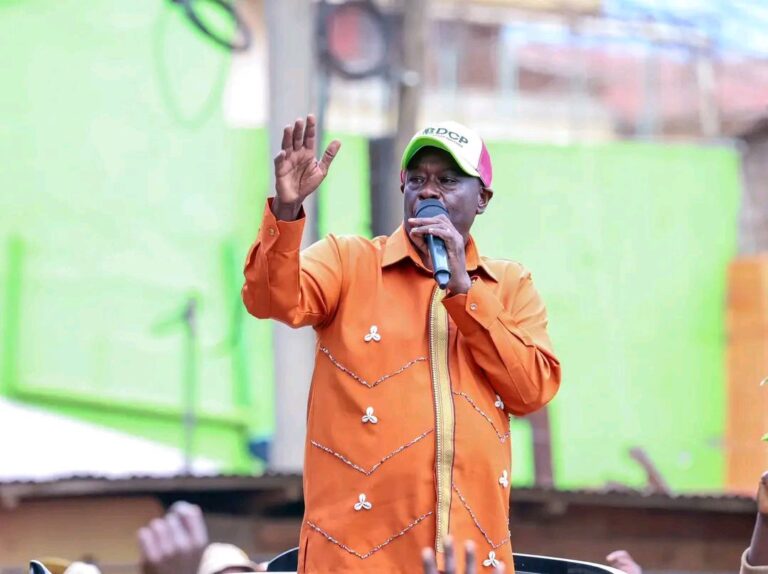
The revelation clashes sharply with Gachagua’s public posture. Since his dramatic removal from office during the Rigathi Gachagua impeachment, he has emerged as one of the fiercest critics of the administration, accusing it of sidelining Mt Kenya and targeting the Kikuyu community.
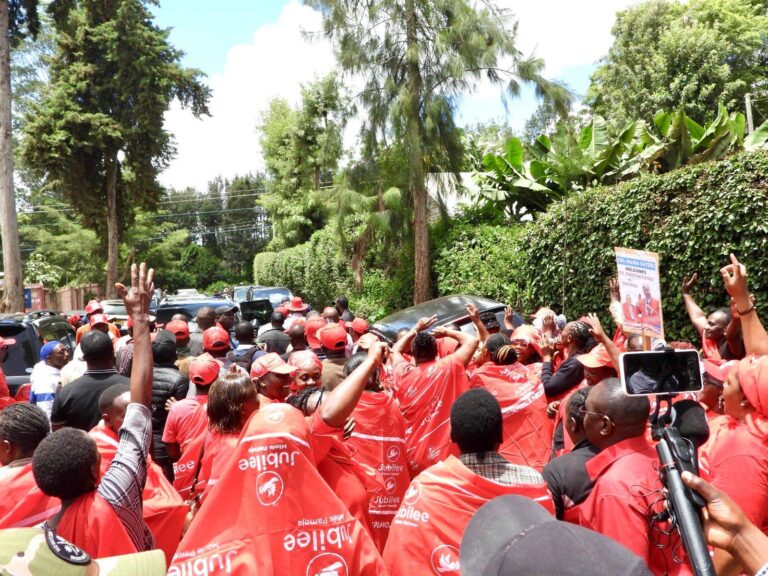
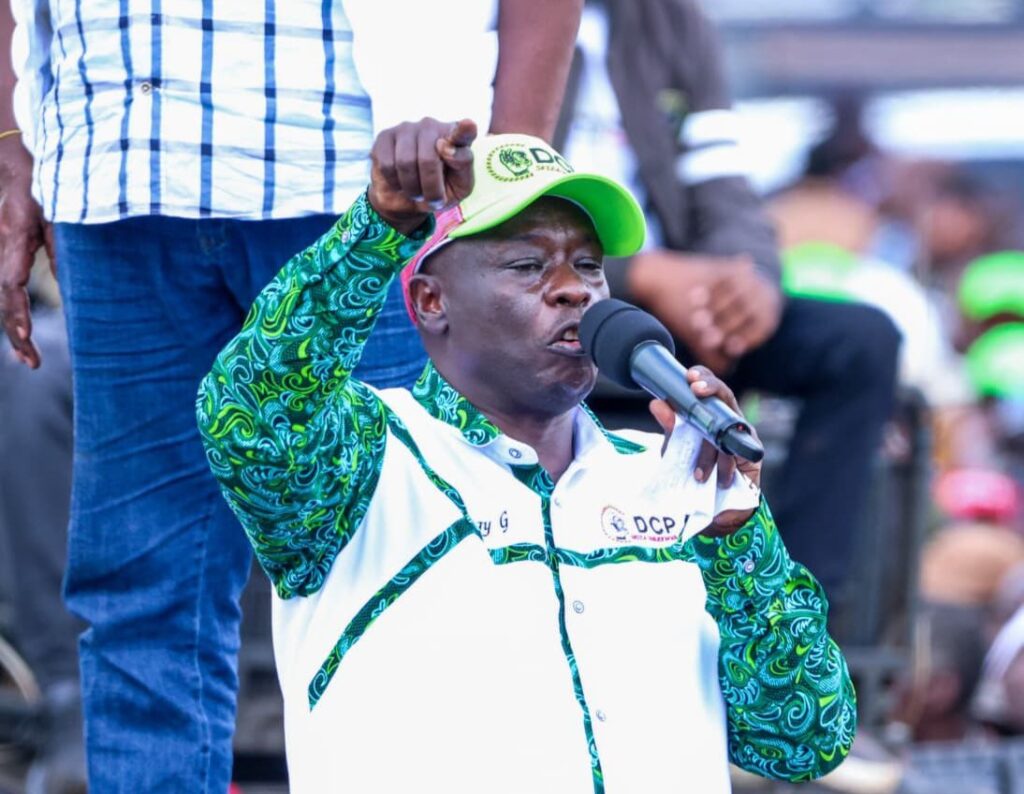
At rallies across Central Kenya, Gachagua has framed his campaign as a fight for the region’s political survival. But Waiguru’s claims now raise a troubling question: is the rebellion genuine—or a bargaining chip?
Government allies have dismissed the former deputy president’s crusade as revenge politics, heavy on rhetoric but light on solutions.
With Mt Kenya remaining a decisive voting bloc, the stakes are enormous. If Waiguru’s allegations hold, the man leading the loudest revolt against the government may also be quietly negotiating with it.
Kenya’s road to 2027 just took a dramatic turn.