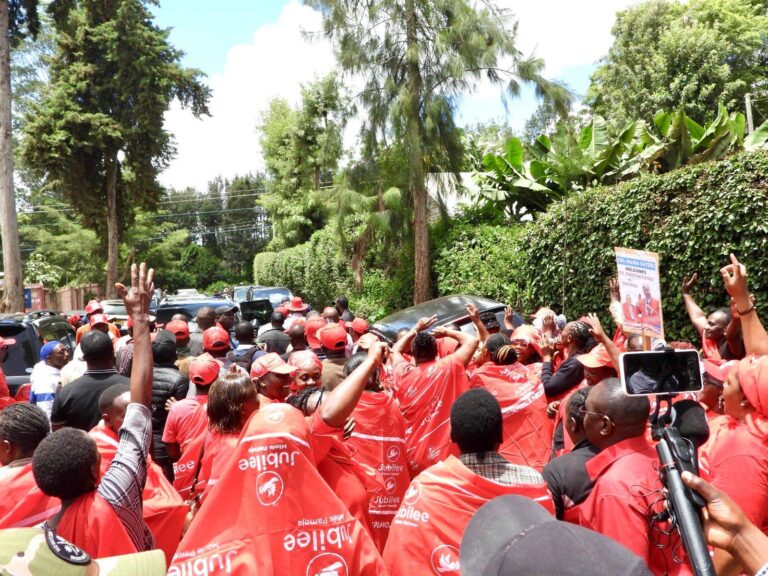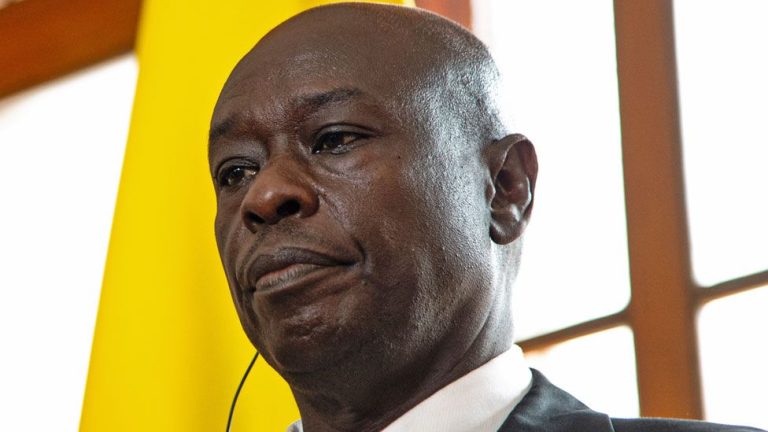
The recent press conference by Rigathi Gachagua, in which he claimed that the government is targeting the GEMA community, has sparked widespread debate about the role of ethnic narratives in political leadership. While appealing to tribal loyalty may score immediate political points, it does little to address real issues affecting citizens’ livelihoods and economic development.
Take Roysambu as a case in point. This is one of the most cosmopolitan areas of Nairobi, where businesses are run by people from diverse backgrounds — Kikuyus, Luos, Luhyas, Nigerians, and even Russians. Portraying the situation as if only one community is affected ignores the facts on the ground and misrepresents the situation, creating unnecessary division while failing to solve real challenges.
When leaders like Raila Odinga faced similar concerns, they approached the matter constructively. Inside government, he made calls to resolve disputes. Outside, he engaged stakeholders directly, held dialogue, and negotiated practical solutions that protected livelihoods. Leadership, in such cases, focuses on results, not rhetoric.
It is also crucial to consider the national development agenda. Vision 2030 is only four years away, with timelines that include building proper markets and relocating traders from informal street setups into organised spaces. These initiatives are designed to allow businesses to operate in dignity, cleanliness, and order, not to punish or exclude anyone.
Between now and 2027, clearing street vendors and informal stalls is an unavoidable step in urban planning and sustainable commerce. A responsible leader would inform citizens about these changes, guide them on adapting, and help organise traders for the future, rather than inflaming fears through tribal narratives.
Ultimately, no press conference or public statement can replace practical solutions. Leadership requires honesty, planning, and a focus on long-term development. Using ethnicity as a political tool may momentarily rally support, but it does nothing to build markets, create jobs, or improve livelihoods.
The focus must remain on creating opportunities and organised business environments that benefit all communities, not on deepening divisions for political gain.