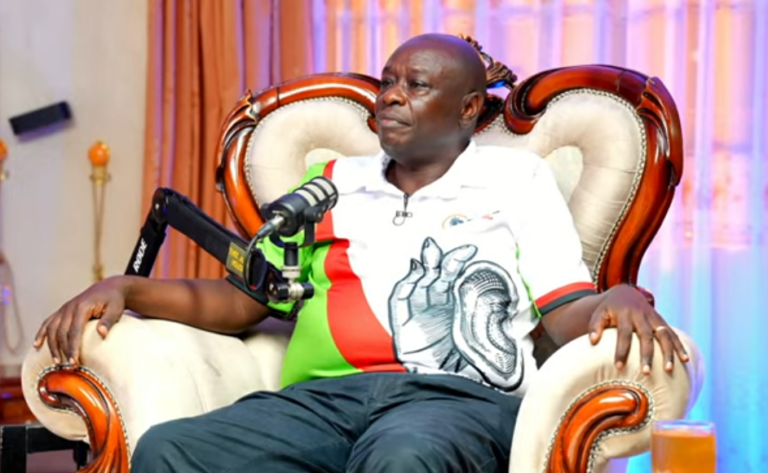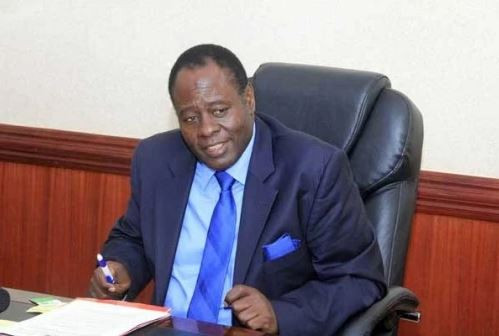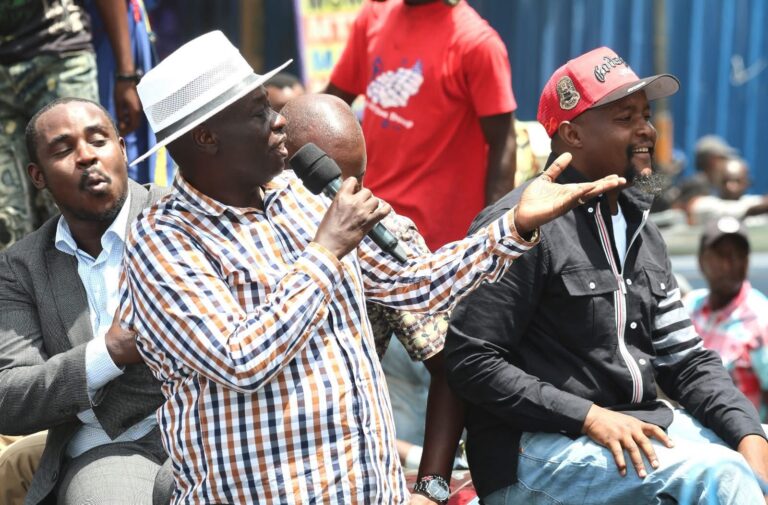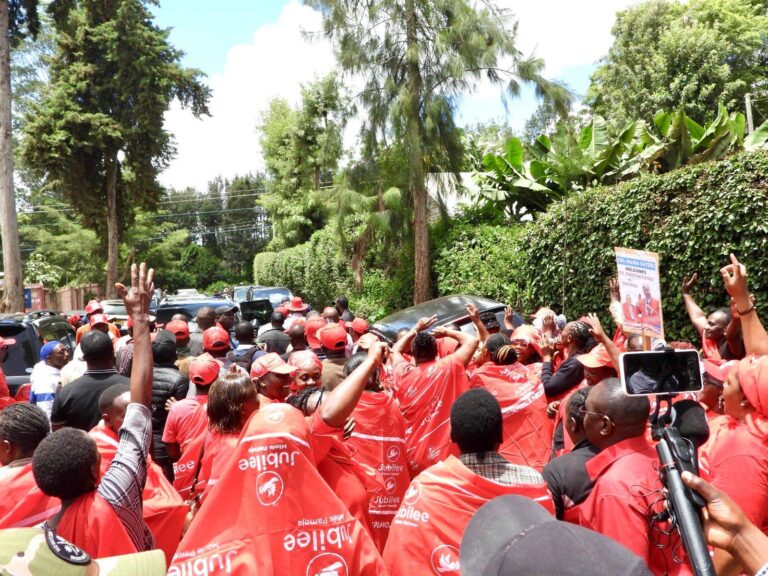
A statement released by Justin Muturi has quietly but decisively corrected the political narrative surrounding how Rigathi Gachagua became running mate in the 2022 elections. For months, Gachagua has repeatedly claimed that he was “elected by the people” and therefore carried an unquestionable mandate to serve as Deputy President. Muturi’s detailed account now shows that the reality was very different.
According to Muturi, the process of selecting the running mate under William Ruto was anything but a democratic expression of the will of leaders or the people. The chronology he outlines paints a picture of a decision that evolved through internal bargaining, political calculations, and ultimately a unilateral choice by Ruto himself.
Muturi explains that leaders within the ruling alliance had already narrowed the criteria: the running mate had to come from the United Democratic Alliance and from the Mt. Kenya region. This immediately disqualified him because he belonged to the Democratic Party. Even before the final decision, therefore, the process was constrained by party politics rather than an open or representative consensus.
More revealing is Muturi’s disclosure that within the leadership ranks, the majority had initially voted for Kithure Kindiki. In other words, the elected leaders who represented the people had already expressed their preference. That preference, however, was set aside. Ruto personally concluded that Kindiki lacked sufficient political appeal in the Mt. Kenya region and feared the decision would cost the alliance votes.
It was at that moment that Ruto chose Gachagua.
Muturi’s account is significant because it dismantles the myth that Gachagua emerged from a democratic endorsement. The majority choice was ignored, and the final decision was imposed from the top. Gachagua did not ascend through a competitive or representative process; he became running mate through a political calculation made by Ruto.
In that sense, Gachagua was not elected into the role by either party structures or the people. He was a beneficiary of a strategic political override. The later political fallout that led to his impeachment therefore appears less like an injustice and more like the correction of a flawed process that had begun long before the election itself.
Muturi’s testimony simply restores the historical record: Gachagua was not the chosen candidate of the majority—he was the product of a political compromise that ultimately collapsed under its own contradictions.