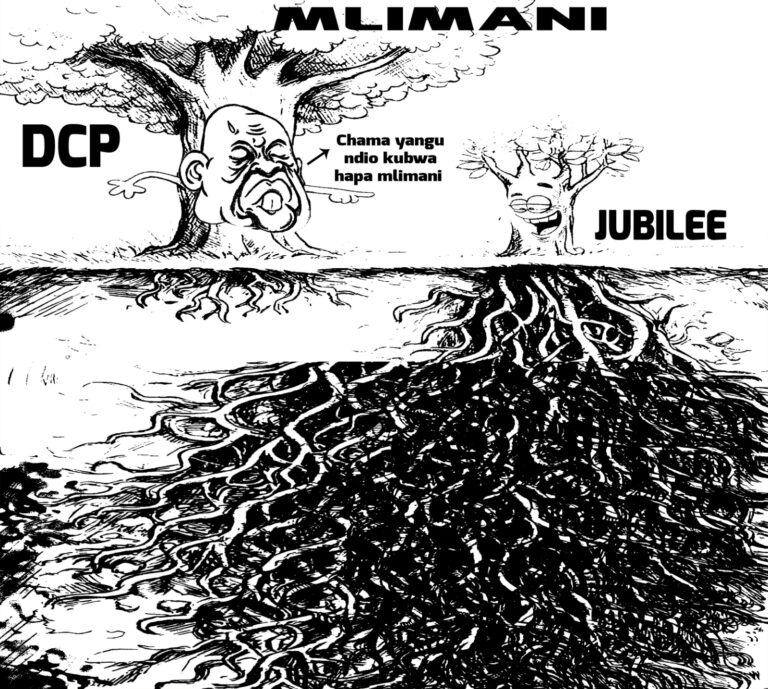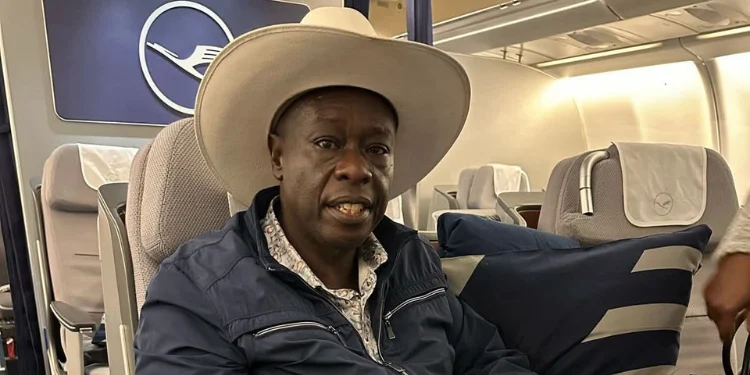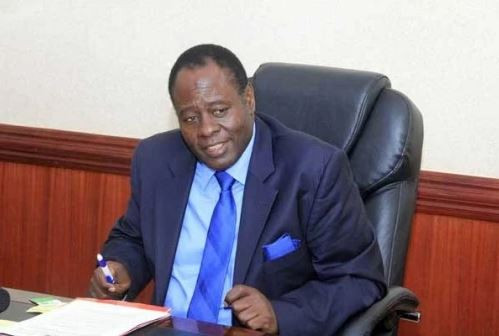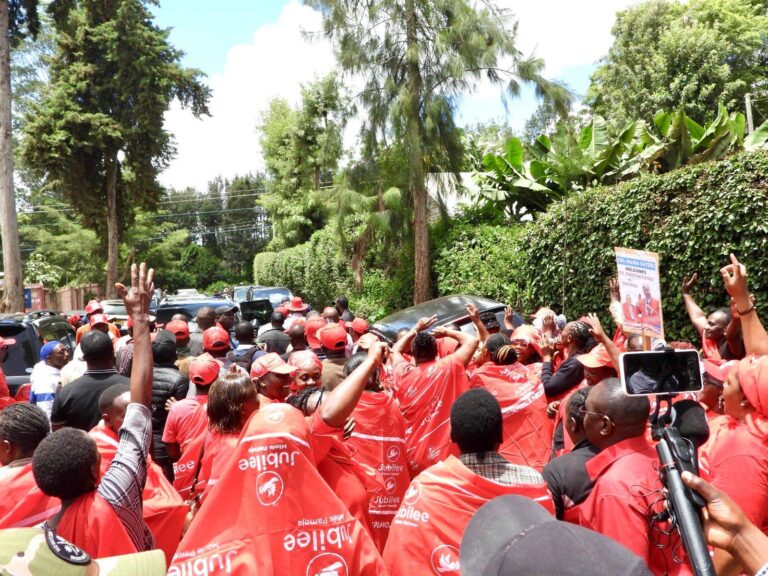
An interesting political contrast played out over the weekend in Meru County as Deputy President Kithure Kindiki and DCP leader Rigathi Gachagua took their messages to the region, each revealing a very different style of leadership.
From the public rallies and roadside meetings, it became clear that the two leaders approach politics from completely different angles.
Gachagua appeared determined to directly confront leaders he believes are not aligned with his political vision. During several stops, he openly mentioned individuals he thinks should be removed from leadership positions, insisting that certain politicians must be pushed out. His tone suggested a desire to take firm control of the region’s political direction and personally shape the lineup of leaders going forward.
However, some observers quietly questioned whether this approach might appear too forceful. In national politics, alliances often shift quickly, and leaders who are opponents today may become partners tomorrow.
Kindiki, on the other hand, struck a far more measured tone throughout the tour. Rather than calling out specific leaders, the Deputy President repeatedly emphasized that it should be the people of Meru who decide who deserves leadership.
He urged residents to elect leaders who will focus on development and service delivery instead of political drama. Even when some local politicians took jabs at him, the professor-turned-politician largely avoided direct confrontation.
Political observers noted that Kindiki’s calm approach may reflect an understanding that politics is often about building bridges rather than burning them. While others were busy drawing battle lines, he appeared focused on keeping doors open for future cooperation.
At times, the contrast almost felt comical: while one leader seemed ready to reorganize the political field himself, the other gently reminded voters that the real power lies with them at the ballot box.
As Meru politics continues to evolve, the weekend tour showed that beyond policies and promises, leadership style itself may become a defining factor in the region’s political future.