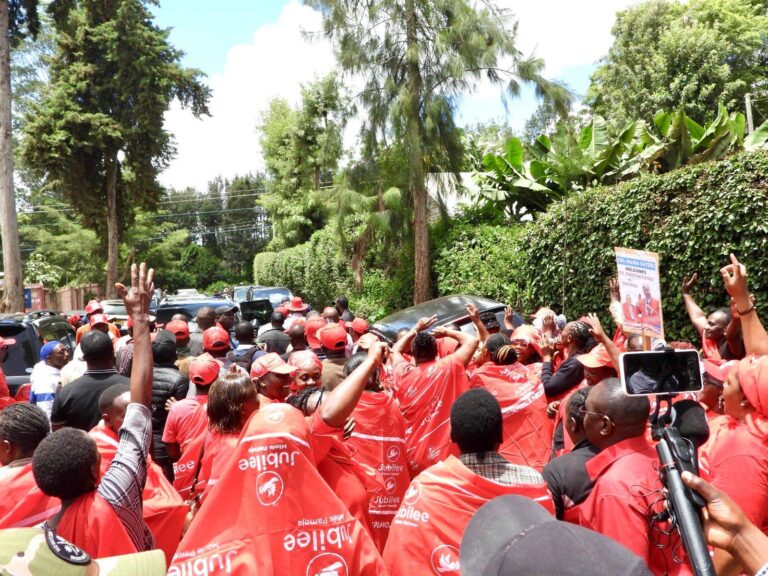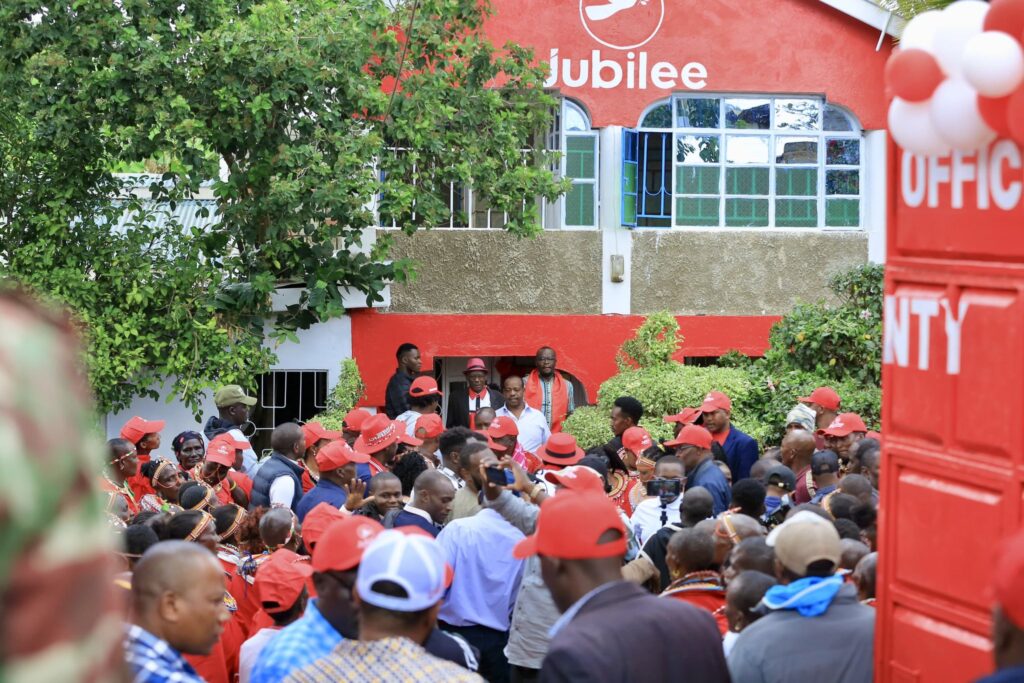
The ongoing online exchanges among members of the Jubilee Party have exposed a deeper political struggle within the party, particularly in the Mt Kenya region. Far from being ordinary political disagreements, the debates reflect a genuine fight over the future direction and identity of the party ahead of the 2027 elections.
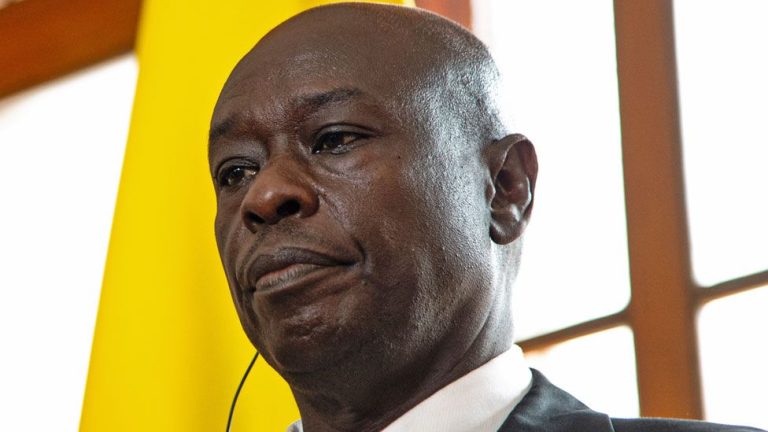
At the center of the disagreement are two emerging camps within Jubilee. One group quietly leans toward a presidential bid by Kalonzo Musyoka and is seen as sympathetic to the political influence of former Deputy President Rigathi Gachagua. Many within this camp appear less invested in rebuilding Jubilee’s grassroots strength and are comfortable with the growing influence of the Democracy for the Citizens Party (DCP) in the Mt Kenya region.
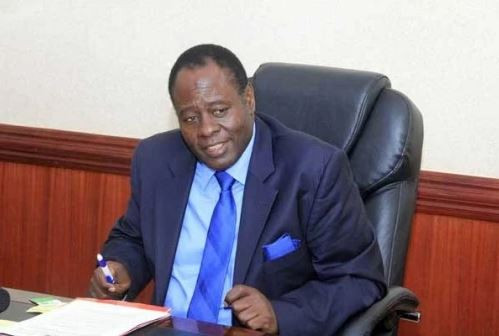
On the other side are Jubilee aspirants who strongly believe that the party must rebuild itself from the ground up and remain competitive nationally. This group has rallied behind the presidential prospects of Fred Matiang’i, arguing that a strong party structure at the grassroots level will be critical for winning parliamentary, gubernatorial, and county seats in 2027.
For these aspirants, the stakes are high. Many of them are preparing to contest seats under the Jubilee banner, and they understand that a weak party structure could leave them politically vulnerable. Their push for a strong Jubilee presence in Mt Kenya is therefore not just ideological—it is strategic.
Complicating the situation is the rise of DCP, which has positioned itself as the dominant political vehicle in the region. Some of its supporters have even framed Jubilee as an outsider party, a narrative designed to push it out of the region’s political space.
This creates a difficult balancing act. While Matiang’i needs broad national alliances to win the presidency, Jubilee aspirants also want the party to remain strong and competitive locally.
In many ways, the current tensions reflect a deeper political reality: Jubilee aspirants are not just defending a party—they are fighting to ensure it still has a future in Kenya’s evolving political landscape.