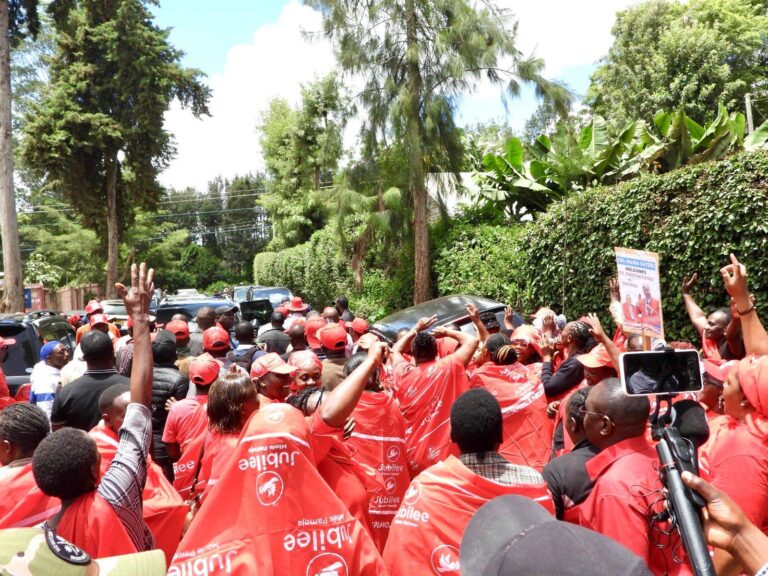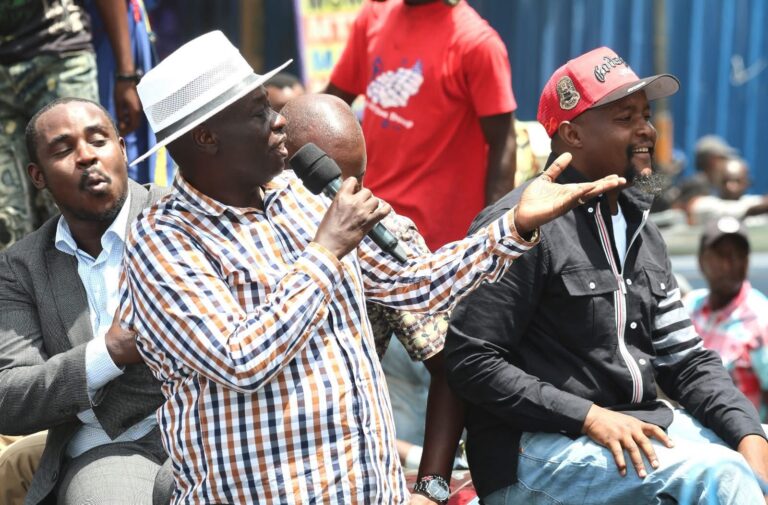
A section of political aspirants in Mt. Kenya has raised concerns over what they describe as coercive mobilization and “pay-to-speak” tactics linked to activities associated with DCP party leader Rigathi Gachagua.
Several aspirants who spoke on condition of anonymity claim that participation in political events has increasingly been tied to strict financial expectations. According to them, aspirants are required to mobilize at least 200 supporters to be considered for an opportunity to address gatherings during regional tours.
“You are told to bring numbers if you want to be recognized,” said one aspirant. “If you mobilize the biggest crowd, you are promised visibility and even hints of a direct ticket. But if you don’t meet the target, you are sidelined.”
More controversially, some aspirants allege that even after mobilizing supporters at their own expense — covering transport and other logistical costs — they are sometimes required to provide additional funds labeled as facilitation in order to secure speaking time.
“You mobilize people, you pay for buses, you organize everything, and then you are told to give more money to speak,” another aspirant claimed. “That is not organic popularity. That is pressure.”
The aspirants argue that such practices create an environment where financial capacity, rather than grassroots support or ideas, determines who gains visibility. They further warn that crowds assembled under pressure may not necessarily translate into genuine electoral support.
Political analysts note that while mobilization and fundraising are common features of Kenyan politics, allegations of coercion and financial demands could affect perceptions of authenticity and internal democracy within political movements.
Attempts to reach representatives of the DCP party leader for comment were not successful by press time.