The Mt Kenya region has long been a political and economic powerhouse in Kenya, producing leaders whose influence shaped not only the region but the nation. From independence to the present, figures such as Jomo Kenyatta and Mwai Kibaki established a legacy of visionary leadership. Kenyatta, Kenya’s founding president, helped build the foundations of the modern state and positioned the region as central in national governance. Decades later, Kibaki revived the economy, introduced free primary education, and implemented reforms that set Kenya on the path to Vision 2030. Their leadership emphasized inclusivity, competence, and long-term planning.
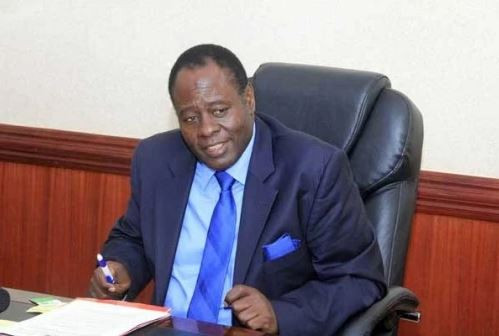
Other leaders from Mt Kenya also left indelible marks. John Michuki, known for his strong, disciplined approach as a cabinet minister, prioritized security and institutional reforms that strengthened governance. Kenneth Matiba championed multiparty democracy, risking his freedom for the sake of Kenya’s political pluralism. Wangari Maathai, though globally renowned as an environmentalist, embodied the region’s potential to lead with moral courage and innovation, earning a Nobel Peace Prize for her Green Belt Movement.
The region also produced trailblazers like Martha Karua, whose fight for justice and transparency reshaped Kenya’s legal and political landscape, and Kiraitu Murungi, a key figure in constitutional reform and infrastructural development. Uhuru Kenyatta, Kenya’s fourth president, maintained Mt Kenya’s influence in national politics while pursuing large-scale infrastructure projects and economic growth, balancing regional interests with national priorities.
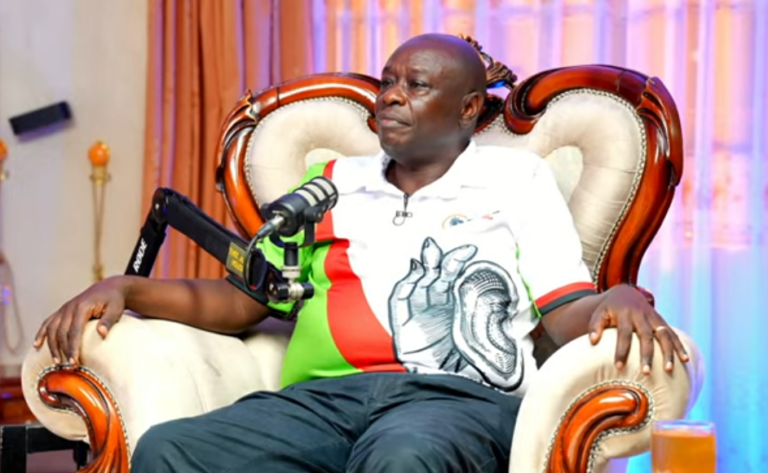
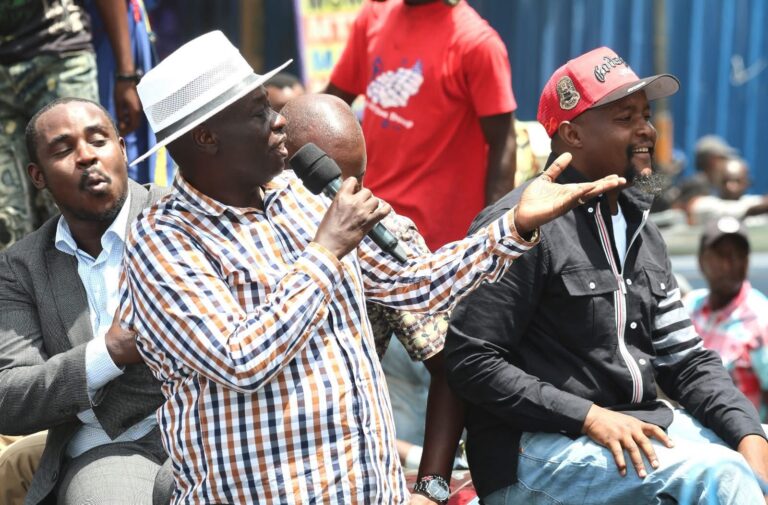
In stark contrast, contemporary politics under Rigathi Gachagua, former Deputy President of Kenya, reflects a different approach. Critics argue that Gachagua’s leadership is increasingly tribalized, prioritizing ethnic mobilization over national cohesion. Public statements and political maneuvers are often interpreted as divisive, with dissent within his camp discouraged. Whereas past Mt Kenya leaders earned respect for their vision and ability to negotiate complex national challenges, Gachagua’s style has drawn criticism for fueling polarization and undermining the cooperative ethos that once defined the region.
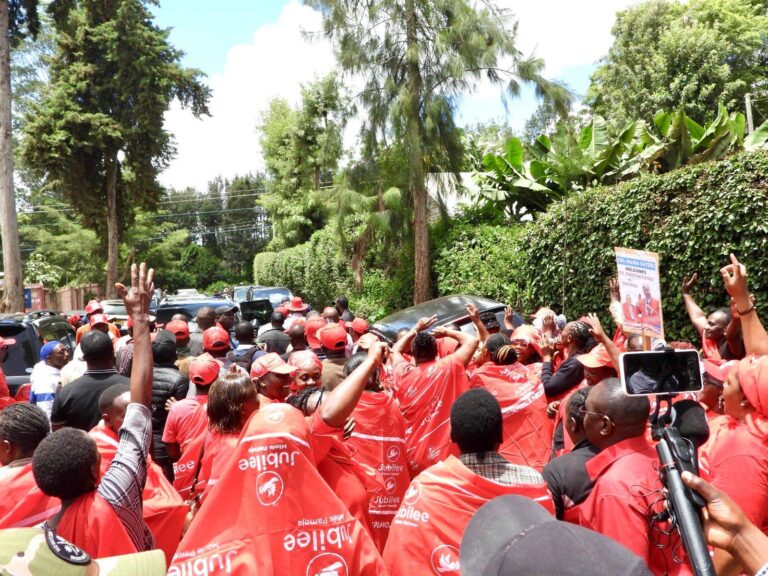
This shift raises urgent questions: how far has Mt Kenya’s political capital declined—from producing leaders admired for competence, integrity, and nation-building, to endorsing politics that risk division and incitement? As the 2027 elections approach, voters in the region must confront this reality. The legacy of strong, visionary leadership is a benchmark against which the current political climate is judged, and the future of Mt Kenya’s influence may hinge on whether it can reclaim its reputation as a cradle of principled, nation-focused leadership or continue a slide into tribalized politics.