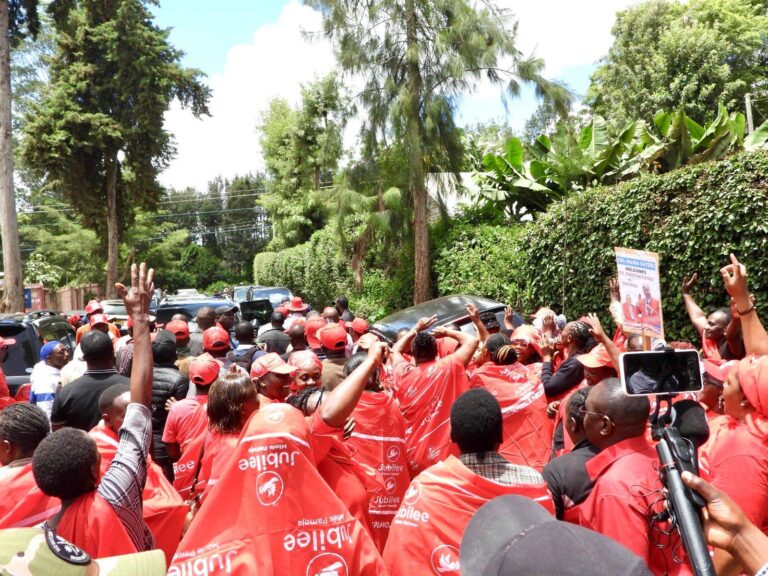
Rigathi Gachagua continues to bring his village-level tribal politics from Wamunyoro into Nairobi, a city where people from all communities live and work together. His recent statements and behavior show that he has not learned to separate local politics from the national stage. Such talk stirs division and anger, especially in the slums, where young people can easily be influenced, and it risks creating unnecessary political tension and even violence.
Gachagua seems to think that the same tribal messaging that works in Wamunyoro will work in Nairobi. It won’t. His rhetoric fuels suspicion, pits communities against each other, and distracts from real issues affecting the city. When leaders like him import narrow, village-level thinking into a diverse urban environment, it makes it harder for people to trust each other and to focus on shared problems.
Instead of using tribal narratives to score political points, Gachagua should keep his Wamunyoro-style politics in his local area, where people understand the context. Nairobi is a cosmopolitan city that demands inclusive, responsible, and careful messaging. His reckless talk risks inflaming tensions in communities that are already vulnerable to division.
It is past time for Gachagua to realize that village-level tribal politics have no place in the capital. His actions and words should not put Nairobi residents at risk or deepen existing social tensions. He must leave such rhetoric in Wamunyoro and focus on engaging with all communities responsibly, without fueling unnecessary conflict.
Gachagua needs to understand that political influence in Nairobi cannot be built on tribal division. If he continues bringing village-level politics into the city, he is not only undermining trust but also putting the people he claims to serve in danger.