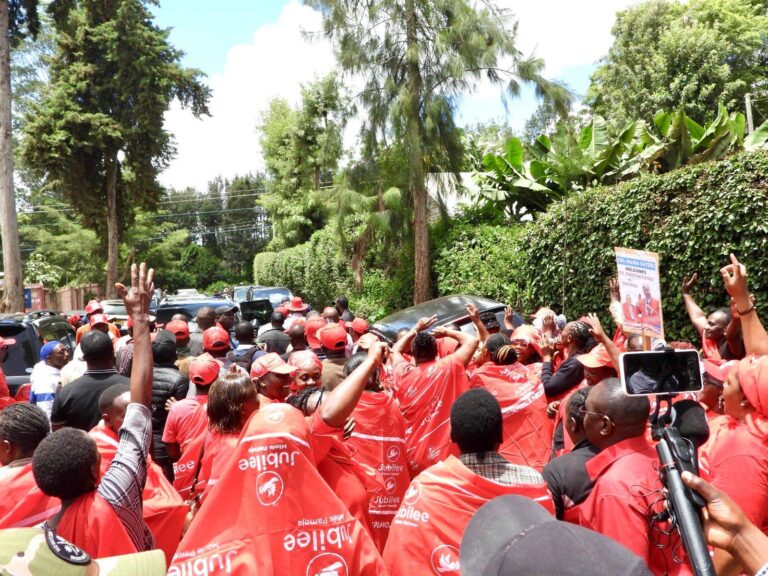
Mt Kenya voters are heading into 2027 convinced that their anger will finally translate into political punishment. The belief is simple and deeply held: vote against President William Ruto, elect leaders aligned to Rigathi Gachagua, and reclaim lost dignity and influence. It is an emotionally satisfying narrative. It is also dangerously incomplete.
What many voters fail to confront is that elections do not end power games—they begin them. Once ballots are cast, citizens exit the stage. Power shifts to those elected and, more importantly, to whoever controls them. In this case, that control is likely to rest not with voters, but with Rigathi Gachagua.
If Mt Kenya votes overwhelmingly along emotional and party lines, Gachagua will emerge holding a powerful bloc of MPs, senators, governors, women representatives, and MCAs. These leaders will not be independent actors. Their political survival will depend on the man who sponsored their rise and controls their future. That bloc will become currency, not representation.
In the post-election moment, that currency will be traded. Gachagua’s leaders will not be deployed to fight the government; they will be used to negotiate with it. A weakened but re-elected President Ruto will need numbers to govern—numbers to pass budgets, secure legislation, and stabilize his administration. Gachagua will provide them, at a price.
That price will not be paid to Mt Kenya voters. It will be paid to Gachagua and the Democracy for Citizens Party. Cabinet slots, parastatal appointments, procurement access, and political protection will flow upward to the party leadership. Ordinary voters will discover that despite their defiance, they have little leverage left.
In that arrangement, Mt Kenya does not gain power; it rents it out. The region’s influence is centralized in one negotiator, while voters are reduced to spectators. The anger that fueled turnout will have been converted into bargaining chips for elite deals.
Come 2028, many in Mt Kenya will realize too late that their votes were not stolen. They were sold—quietly, efficiently, and legally—by leaders they trusted to fight on their behalf.