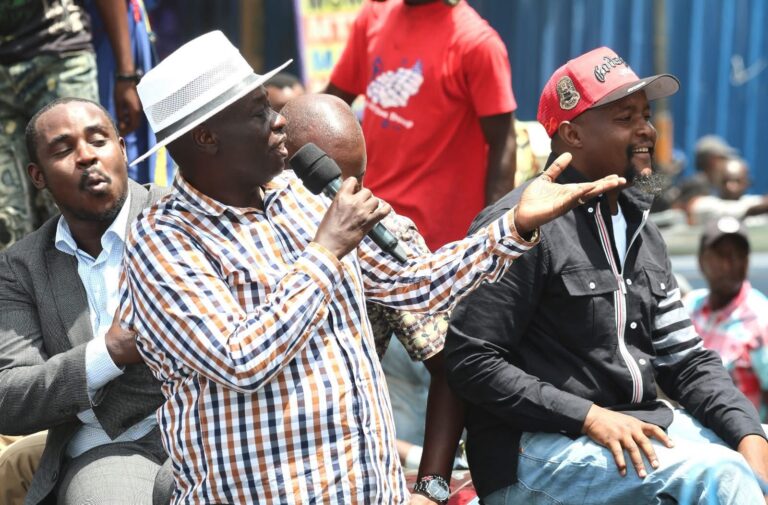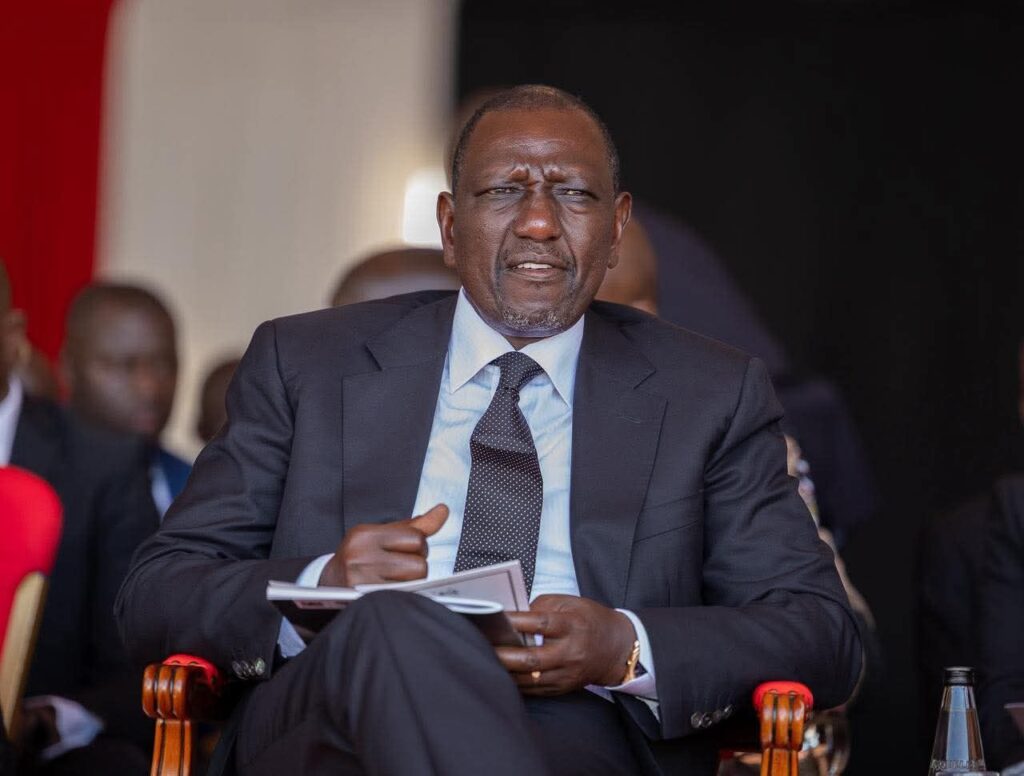
Former Deputy President and Democracy for the Citizens Party (DCP) leader Rigathi Gachagua has positioned himself as President William Ruto’s fiercest critic, repeatedly branding him a “one-term president.” However, beneath the confrontational rhetoric lies a calculated political strategy that suggests Gachagua may actually prefer Ruto to win re-election in 2027.
At the centre of Gachagua’s thinking is not the presidency, at least not yet, but the accumulation of political numbers. His immediate goal is to build a powerful political vehicle by securing the election of at least 80 Members of Parliament, 12 senators, 12 governors, 12 women representatives, and roughly 420 Members of County Assemblies under the DCP banner. Such a bloc would give him formidable leverage in post-election negotiations, regardless of who occupies State House.
This approach is informed by a lesson Gachagua learned while in government. He watched opposition leader Raila Odinga, despite losing the 2022 presidential election, negotiate a more favourable political settlement with President Ruto than Gachagua himself did as an elected Deputy President. Raila’s strength did not come from office, but from commanding significant numbers of MPs, senators, and governors. That moment underscored a brutal reality of Kenyan politics: power flows from numbers, not titles.
Once voters cast their ballots, their role ends. What remains are elected leaders who become bargaining chips in elite negotiations. Governors control county resources and can finance party activities, which explains why Gachagua is reportedly demanding up to 50 percent influence over county resources and opportunities for governors who will be elected on the DCP ticket. MPs and senators, meanwhile, determine whether the executive can pass budgets and legislation. A hostile Parliament can cripple any government, which is why post-election “handshakes” and buyouts are the norm.
Backing a candidate other than Ruto in 2027 would risk consigning Gachagua to political exile for another decade. Mt Kenya politics is fast-moving, and history shows how quickly relevance fades. From Kenneth Matiba to Mwai Kibaki to Uhuru Kenyatta, political dominance in the region has always been temporary.
A Ruto second term offers Gachagua a safer route: negotiate political survival, push for the dropping of impeachment cases, and position himself for a 2032 presidential run.
This context also explains Gachagua’s tribal and entitlement-driven politics. While it consolidates Mt Kenya behind him, it alienates other regions, making it harder for any opposition candidate to defeat Ruto. In that dynamic, the biggest beneficiary is the President himself.
Ultimately, Gachagua’s strategy appears straightforward: fragment Mt Kenya, consolidate control, let Ruto win, then negotiate from strength. The public hostility may be loud, but the long game is quiet—and deliberate.