The declaration of a presidential bid is often treated as the beginning of a journey toward State House. Yet history shows that not every “run” is meant to end at the ballot. Sometimes, the candidacy itself becomes the strategy.
This raises an important question:
Why would Jofri continue to project a presidential ambition despite clear legal, institutional, or structural barriers? (Impeached)
The answer lies not in electoral arithmetic, but in political incentives.
Presidency as a Narrative, Not a Destination
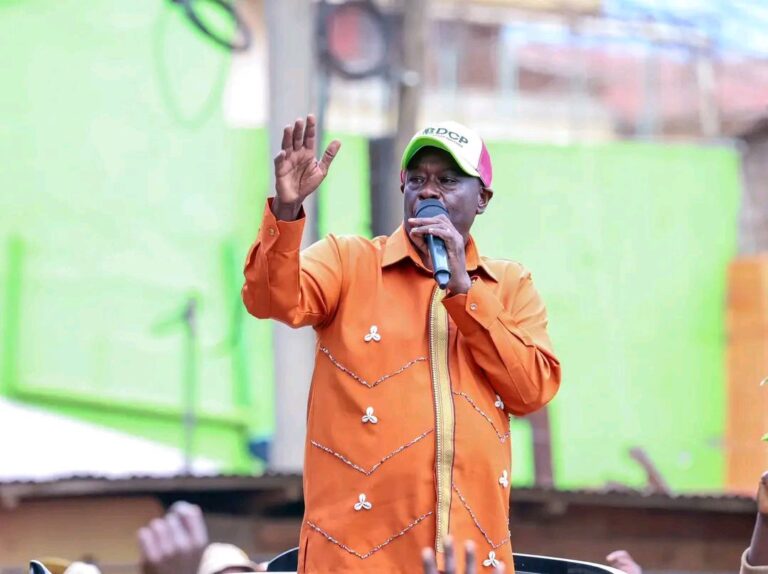
A presidential bid instantly elevates a politician’s status. It confers national relevance, media attention, and bargaining power, regardless of whether the bid is legally viable. In such cases, the presidency functions less as an achievable office and more as a symbolic asset. It keeps supporters mobilized, attracts crowds, and positions the individual as a central figure in national conversations.
Once someone is framed as “presidential,” scrutiny often softens at the grassroots level. Emotion overtakes verification.
Legal Barriers as Political Insurance
Paradoxically, legal obstacles, such as impeachment or disqualification, can become politically useful.
When a campaign ultimately collapses, the explanation is already prepared. The system was rigged, judges were compromised, the state interfered. This framing achieves three outcomes. Responsibility is externalized. The leader retains moral authority among supporters. Accountability for resources raised becomes blurred. In this way, failure is transformed into victimhood rather than miscalculation.
The Power of Party Ambiguity
Political parties are meant to be institutions, registered, structured, and governed by rules.
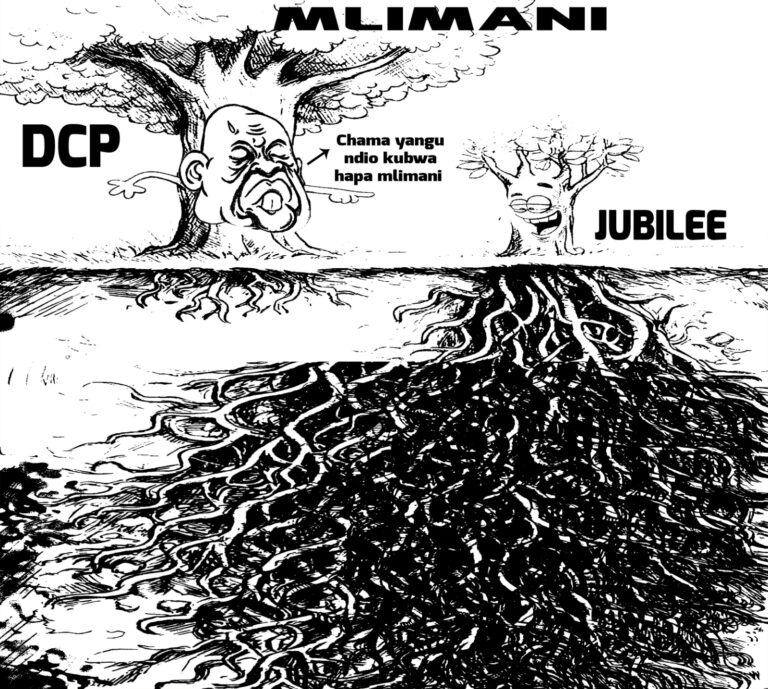
However, ambiguity around party ownership, membership, and leadership can be strategically advantageous.
When a party exists more as a brand than an institution authority becomes personalized. Decision-making is informal. Gatekeeping replaces democracy.
This allows a single figure to act as the perceived controller of tickets and endorsements without the constraints of transparent processes. Aspirants seeking shortcuts often prioritize access over legality.
Why Aspirants Pay
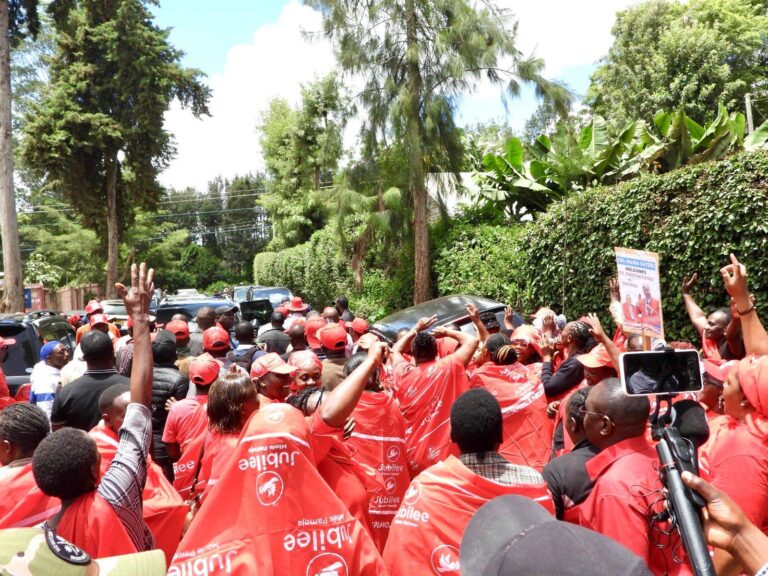
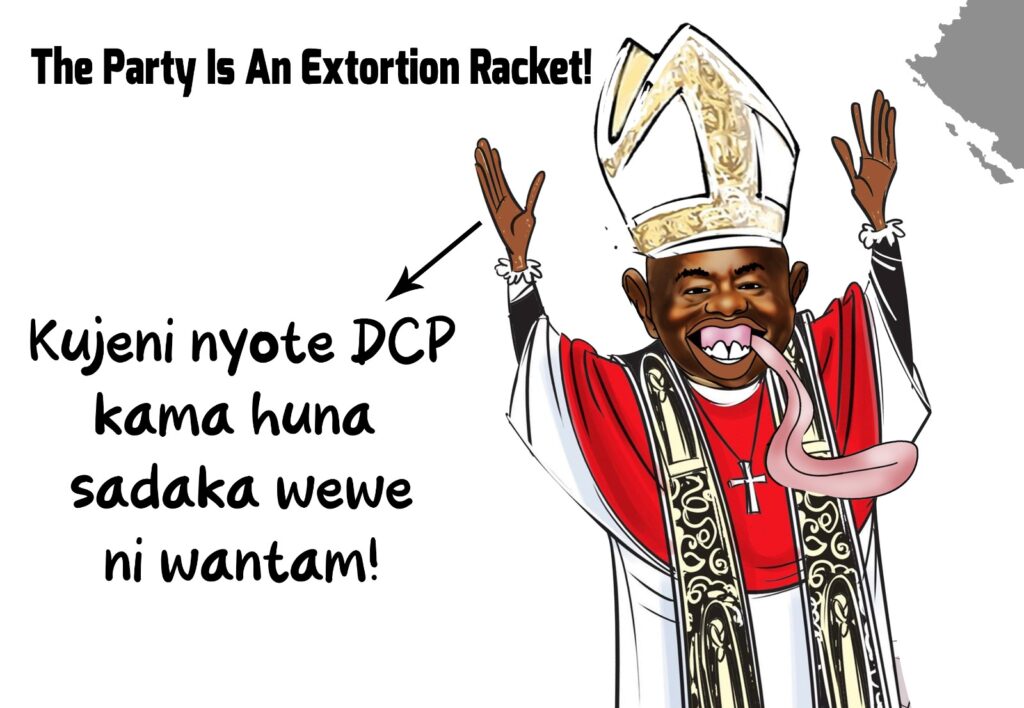
In practice, many aspirants do not pay for ideology or policy alignment. They pay for visibility, association with a national figure, perceived protection, or the belief that proximity to influence will tilt the field in their favor.
In a high-stakes, time-sensitive political environment, perception of power can be more persuasive than actual power. Even rumors of direct tickets or campaign appearances can command enormous financial commitments.
Why the Narrative Is Maintained
From a purely strategic standpoint, ending such a narrative prematurely would be costly. It would mean: loss of relevance, collapse of influence, and uncomfortable questions about funds, promises, and expectations. As long as supporters believe “a breakthrough is coming,” the narrative remains functional. Silence or ambiguity sustains hope.
Hope sustains loyalty.
Who Bears the Risk?
The greatest risk in such political arrangements is not borne by the central figure, but by ordinary supporters who contribute emotionally and financially, and mid-level aspirants who stake resources on informal promises.
When politics shifts from institutions to personalities, accountability weakens, and disillusionment becomes inevitable.
Jofri’s presidential declaration is not about winning power. It’s about maintaining leverage, monetizing influence, and controlling political attention.