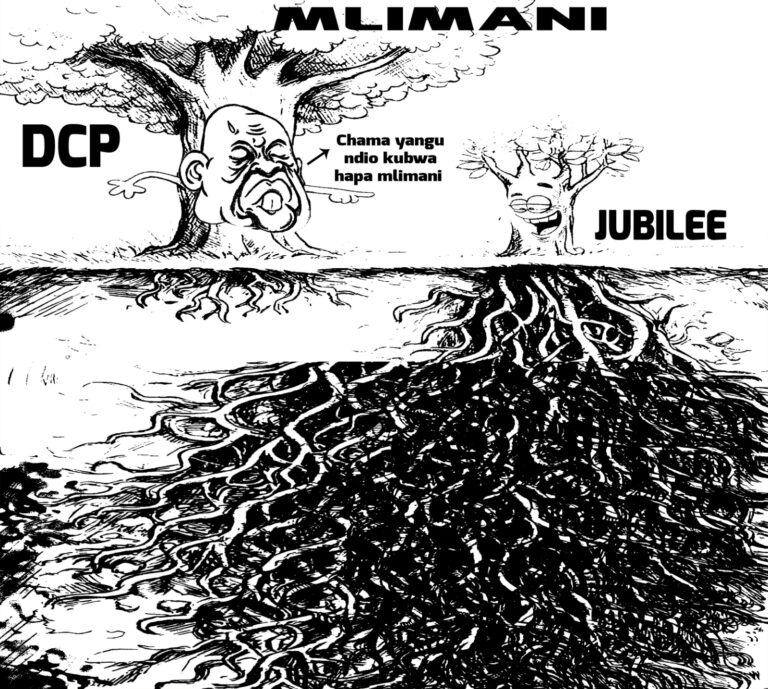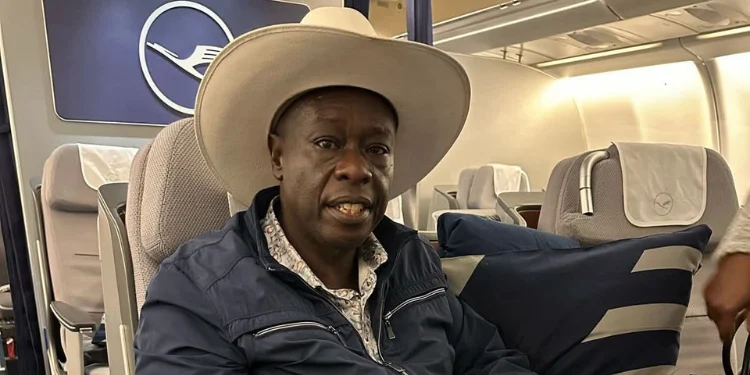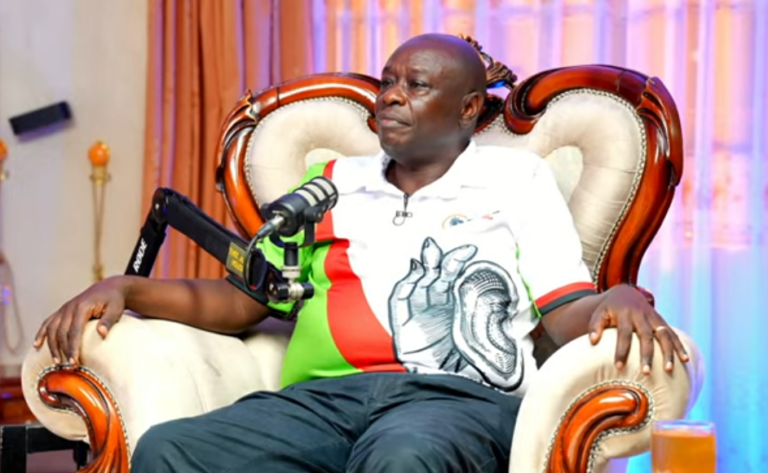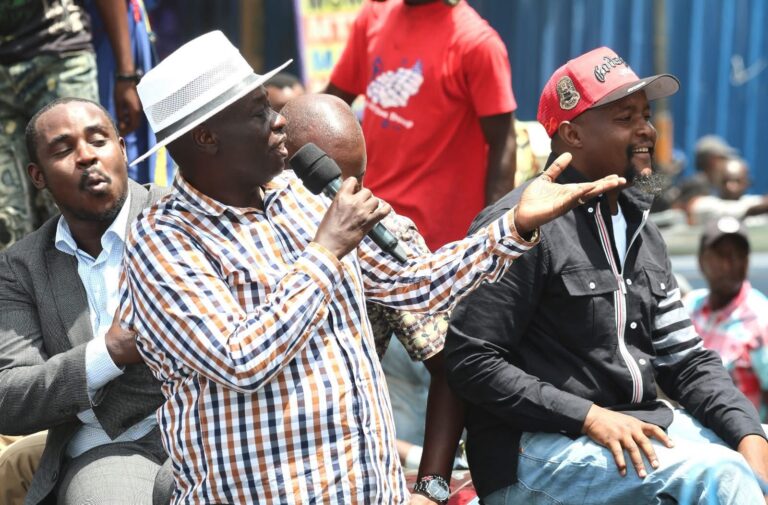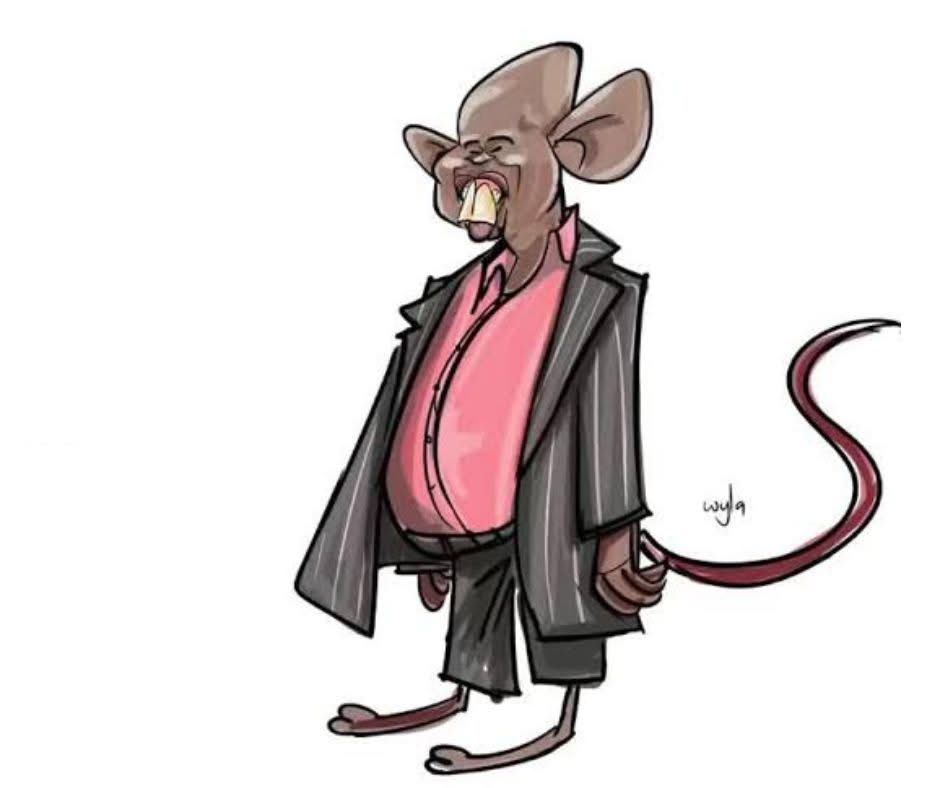
Opposition politics is built on collective effort, shared vision, and discipline. The moment one individual begins to see himself as the movement, the opposition stops being a vehicle for change and becomes a stage for personal performance. This is precisely the danger Rigathi Gachagua poses to Kenya’s opposition today.
By declaring himself the “Alpha and Omega” of the opposition, Gachagua reveals an ego that cannot coexist with coalition politics. No serious opposition survives on one man’s loudness. If a movement collapses because one politician travels abroad, then it was never an opposition—it was a personal brand.
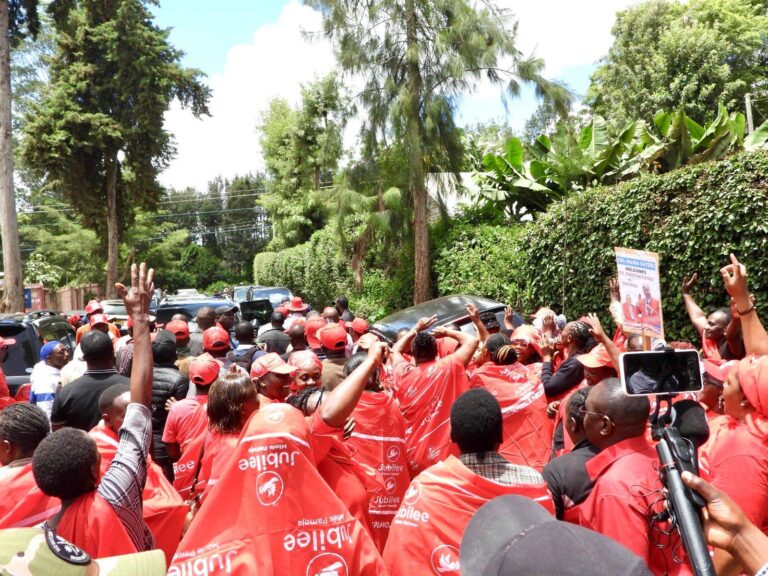
Gachagua’s fixation on mega rallies exposes another weakness: mistaking noise for power. Crowds are easy to assemble in Kenyan politics; structure, ideas, and unity are not. Rallies may excite supporters, but they do not replace policy alternatives, internal coordination, or strategic clarity. While others are accused of “sleeping,” the real work of opposition—building trust, managing alliances, and presenting a credible governing vision—is quietly undermined by constant self-glorification.
Even worse, ego fragments opposition unity. Politics thrives on partnership, yet Gachagua’s rhetoric diminishes allies by portraying them as irrelevant or incapable. This hands the ruling establishment a gift: an opposition busy competing for attention instead of confronting power. Personal arrogance becomes a tool of sabotage.
Kenya’s political history offers a clear lesson. Opposition movements fail not because they lack numbers, but because they lack humility and discipline. Leaders who believe they are indispensable eventually weaken the very forces they claim to lead.
The opposition does not need a messiah. It needs maturity, restraint, and a shared purpose. Until Gachagua learns that leadership is not about shouting the loudest or claiming divine importance, his ego will remain the opposition’s greatest weakness—not its strength.