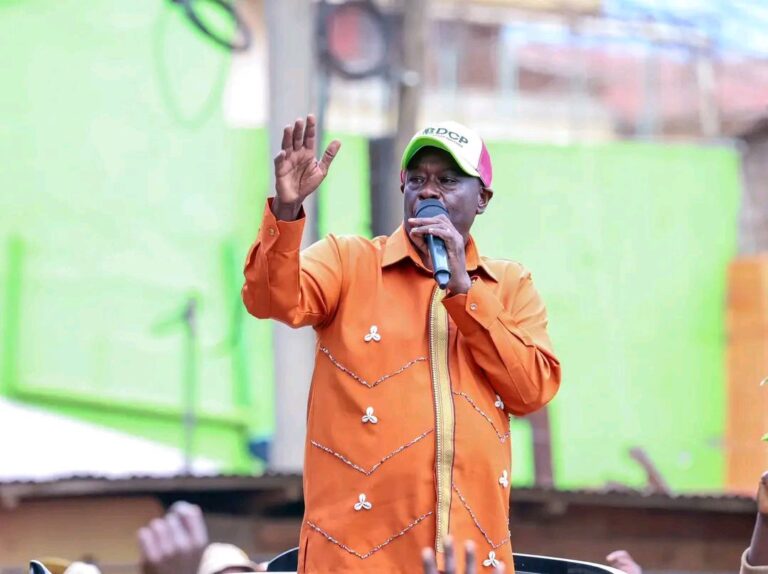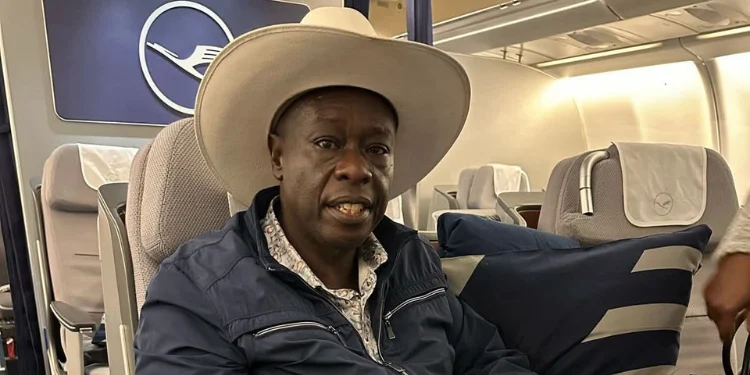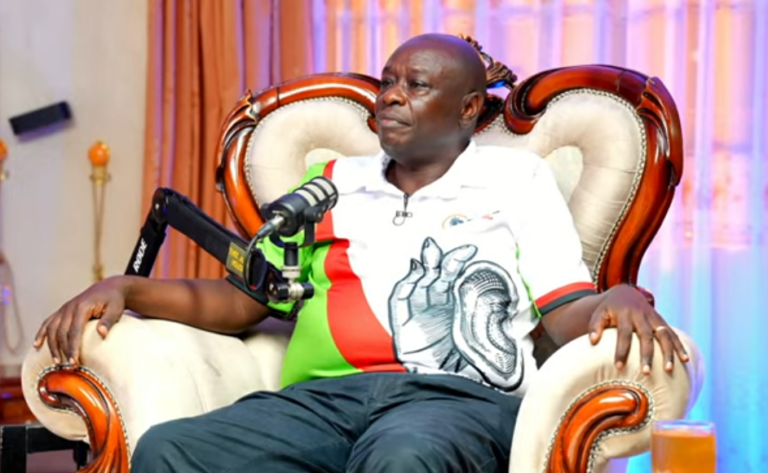
When the great Raila Amolo Odinga took his final bow, Kenya united in grief. From Parliament to Kasarani, Nyayo Stadium to Bondo, leaders from every corner of the country gathered to honour a man whose life shaped Kenya’s democratic journey. But one conspicuous absence stood out — former Deputy President Rigathi Gachagua.
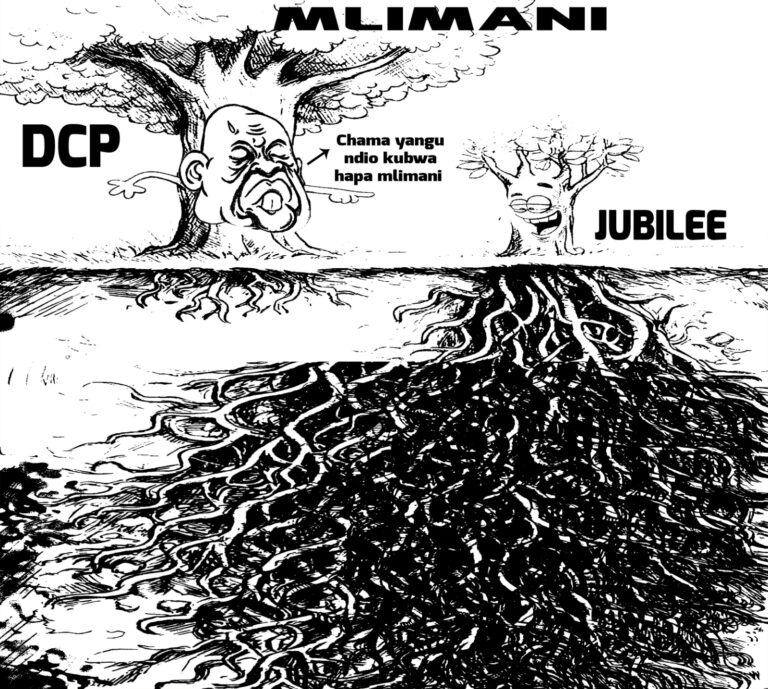
His no-show during the three-day mourning period wasn’t just a personal choice. It was a political statement that revealed everything wrong with his brand of leadership — bitterness, arrogance, and tribal rigidity — the same qualities that eventually led to his impeachment.
Gachagua’s failure to attend any of the national mourning events, coupled with his insensitive remarks about Raila’s health before his death, confirmed what many MPs had long said: he is unfit for leadership in a united Kenya. His conduct reflected not just poor judgment, but a deep-seated inability to rise above personal grudges and regional politics.
First, his absence exposed his narrow tribal worldview. While the nation was healing together, Gachagua chose silence. His refusal to participate in a moment of national unity was a clear message — he only stands where tribal politics serve him. In an era where Kenya is striving to build bridges, Gachagua has remained a wall.
Second, his bitterness and resentment cloud every decision he makes. A mature leader would have seen Raila’s death as an opportunity to reconcile with the past. But Gachagua allowed anger to dictate his choices. He forgot that true leadership is about rising above grudges, not nursing them.
Third, his lack of emotional intelligence was glaring. Leadership is not only about authority but empathy. While leaders from all political divides comforted a grieving nation, Gachagua’s cold absence showed detachment and insensitivity. He read the mood of the nation wrong — again.
Moreover, his utterances about Raila’s health before his passing were a stain on his reputation. Instead of showing respect, he mocked and dismissed a national hero. When Raila died, those words came back to haunt him — and his absence looked like guilt masked as pride.
The truth is, Gachagua’s behaviour broke the unwritten code of political decency. In Kenya’s political culture, you honour your opponents in death, no matter your differences. His defiance showed moral emptiness and disregard for leadership ethics.
It also reflected his selfish, transactional politics — he only shows up where there’s a personal or political return. Even in national moments, he measures attendance by benefit, not by duty.
Ultimately, Gachagua’s conduct during Raila’s mourning period mirrored the very reasons MPs impeached him — arrogance, divisiveness, and lack of cooperation. He failed to embody humility or humanity, choosing pride over patriotism.
In a time when Kenya needed unity, Gachagua chose isolation. When the country called for leadership, he responded with silence. And when history offered him a chance to show growth, he stayed home — proving Parliament right.
Gachagua wasn’t just absent from Raila’s funeral — he was absent from the values of leadership itself.