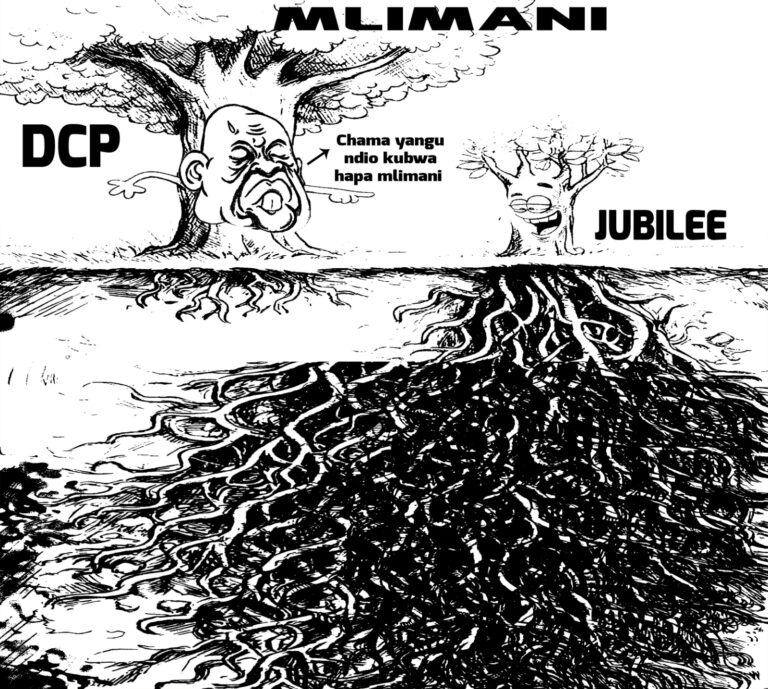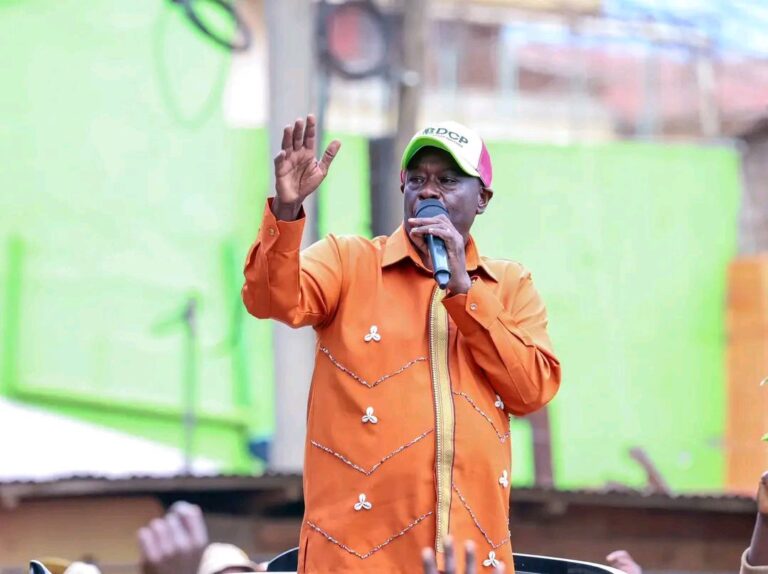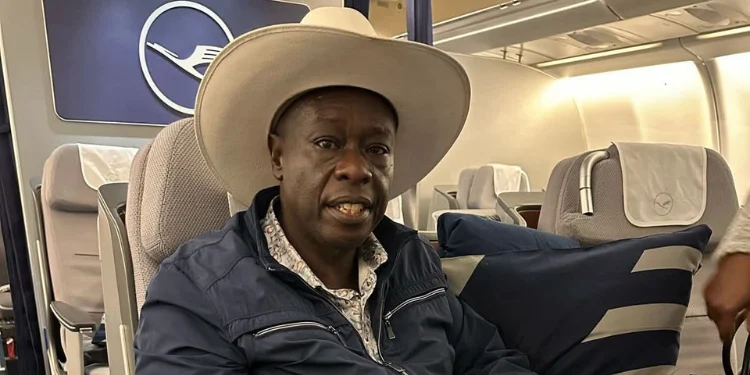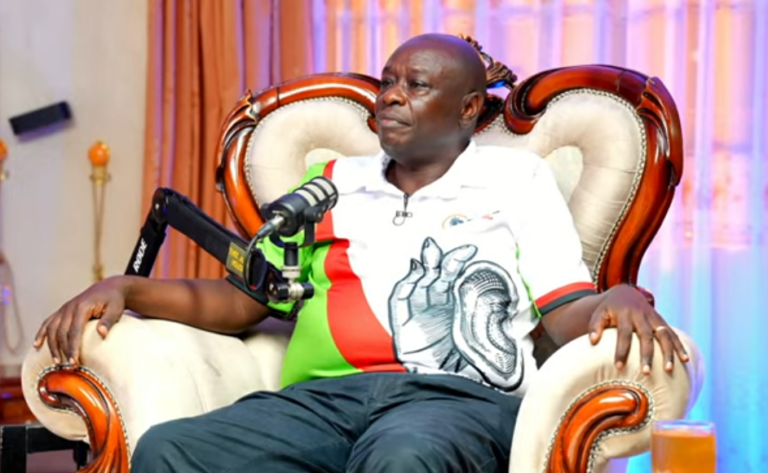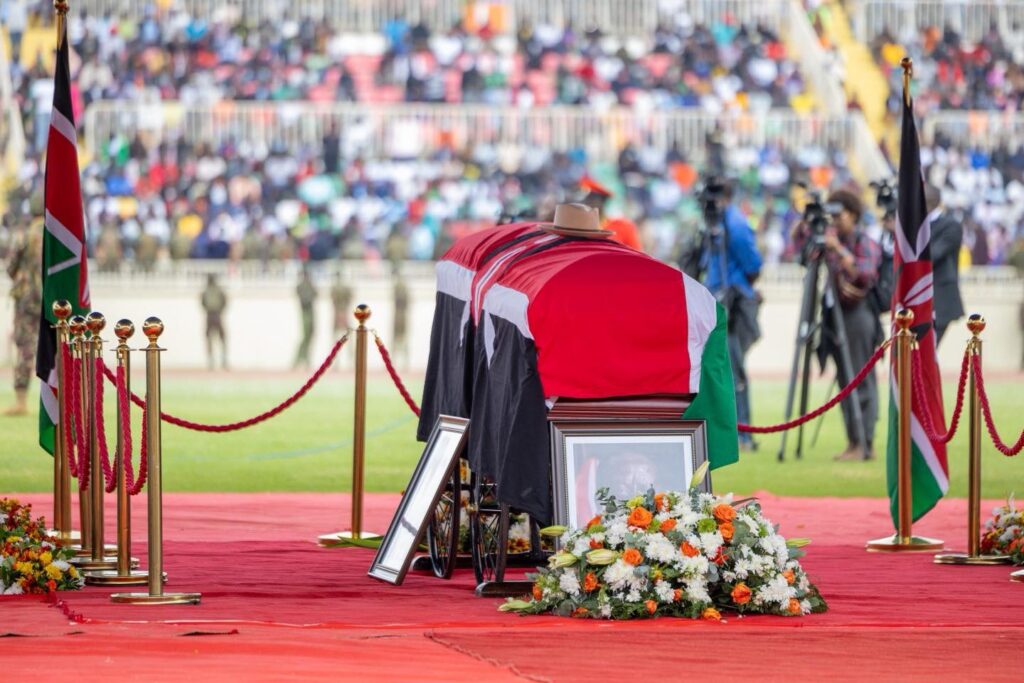
The irony of October 17 could not be more profound. As thousands of Kenyans gathered at Nyayo Stadium to celebrate the life of Raila Odinga — a man who dedicated his life to uniting the country — one man was notably absent: former Deputy President Rigathi Gachagua. His absence spoke louder than words. The same arrogance and tribal politics that led to his impeachment also denied him a place in a moment of national unity.
Gachagua’s downfall was not sudden; it was self-inflicted. From the day he assumed office, he turned every national conversation into a tribal contest, speaking as though leadership was reserved for his community alone. His verbal recklessness became legendary — attacking colleagues, belittling opponents, and reducing politics to insults and entitlement. In politics, there are unspoken rules: never mock an opponent’s health, never drag families into the mud, and never divide the nation you swore to serve. Gachagua broke them all.
Raila Odinga, on the other hand, embodied the opposite. He spent his life building bridges, not walls — fighting for democracy, devolution, and unity even when it cost him personally. He led selflessly, forgiving those who wronged him, and stood for Kenya’s collective good above his own ambitions. While Raila’s legacy will be remembered for his sacrifice and resilience, Gachagua’s story remains a cautionary tale of pride and short-term politics.
That Gachagua could not stand among other leaders to honor Raila tells you everything about his politics — shallow, divisive, and self-centered. Raila brought Kenyans together even in death; Gachagua isolates himself even in life. History will remember this day not just as Raila’s farewell, but as the moment the contrast between servant leadership and selfish politics became painfully clear.
In the end, Raila united Kenya one last time — and Gachagua reminded us why he never could.