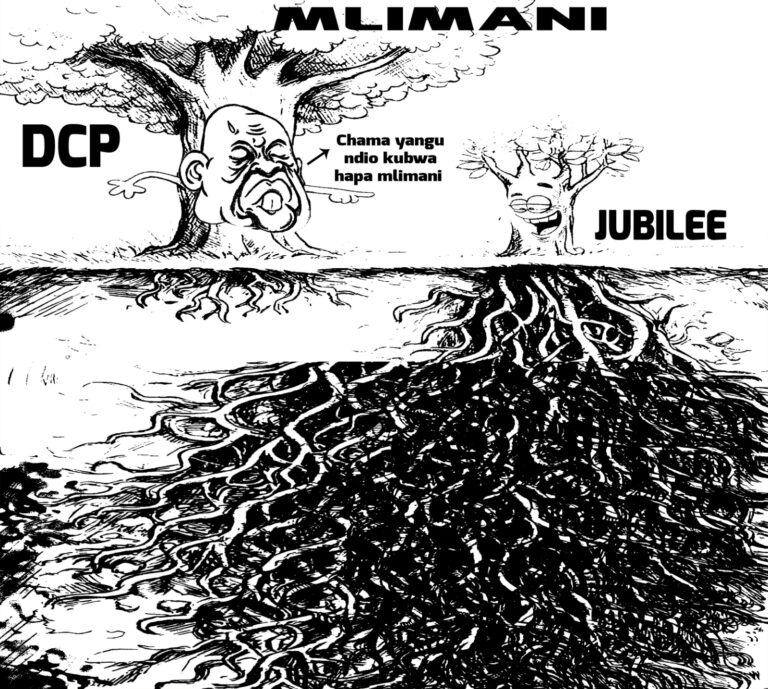
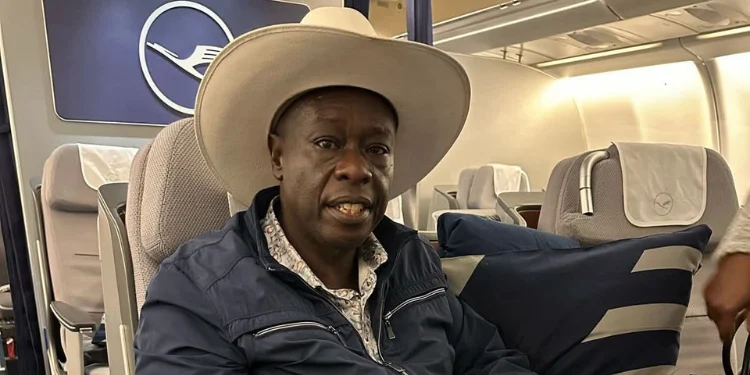
Rigathi Gachagua’s brand of politics belongs to the past — an era where leadership meant tribal arithmetic, threats, and entitlement. Kenya has moved on, and so must he.
Gachagua built his political identity around the “shareholders” doctrine — a divisive narrative that reduced Kenya’s democracy into an ethnic reward system. In his world, public service was not about merit or development but about who voted and who didn’t. This toxic ideology turned brother against brother and replaced unity with suspicion.
Under his leadership, arrogance and intimidation flourished. He openly bullied governors, MPs, and civil servants, demanding loyalty instead of performance. Even worse, reports revealed that his office was plagued by corruption and nepotism — staff drawn mostly from his village, salaries slashed illegally, and public funds misused for personal luxury. Such conduct exposed a man more interested in self-preservation than service.
Ironically, Gachagua often claimed to defend the Mt. Kenya region, yet farmers saw no reforms, traders got no relief, and the youth remained jobless. His legacy in the region is not empowerment but division.
The truth is, Kenya’s Gen Z has no patience for tribal rhetoric or victimhood politics. They want leaders who talk about innovation, opportunity, and accountability — not who belongs to which clan. Gachagua’s politics of entitlement simply doesn’t inspire a digital, ambitious, and globally connected generation.
Kenya stands at a turning point. To move forward, we must reject leaders who thrive on tribal fear and embrace those who unite us through ideas. Gachagua’s chapter should remind us of what happens when leadership serves self, not nation.