Is Rigathi Gachagua truly the best that Mt. Kenya can offer to lead and serve the great people of Kenya in 2027? It’s a serious question — and one that forces us to reflect on how far the mountain has fallen from its proud legacy of producing great national leaders.
From independence to the second liberation and into the Vision 2030 era, Mt. Kenya has always given Kenya men and women of substance, intellect, and integrity. Mwai Kibaki, one of Africa’s finest economists, laid the foundation for Kenya’s modern economy and Vision 2030 — a plan that still guides national development. Kenneth Matiba risked his life and freedom fighting for multiparty democracy. Martha Karua has remained a symbol of courage, standing tall for justice and good governance.
Then there was the late Professor Wangari Maathai, Kenya’s Nobel Peace Prize laureate, who reminded the world that leadership is about service, not self-interest. Uhuru Kenyatta, despite his critics, represented stability, diplomacy, and national cohesion on the global stage. These were leaders whose influence extended beyond tribe — they inspired the nation.
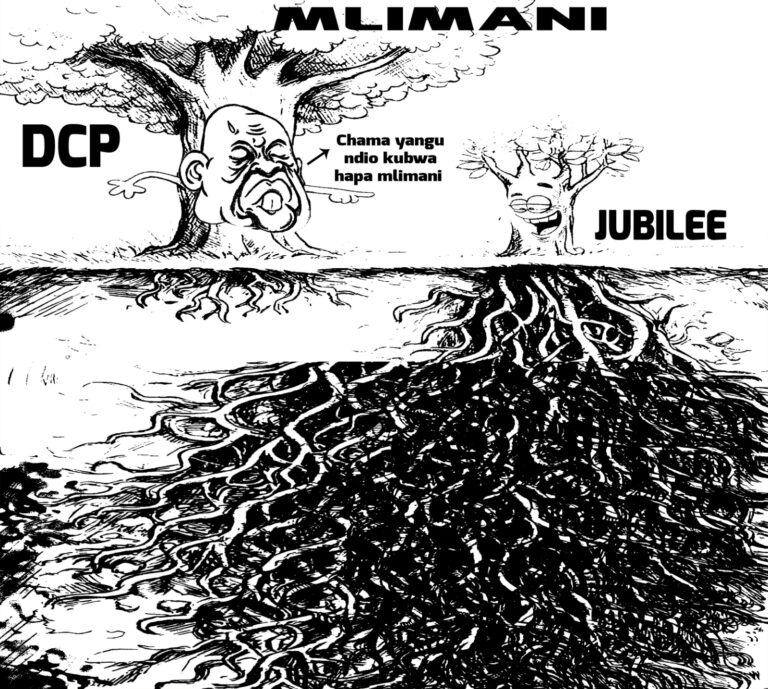
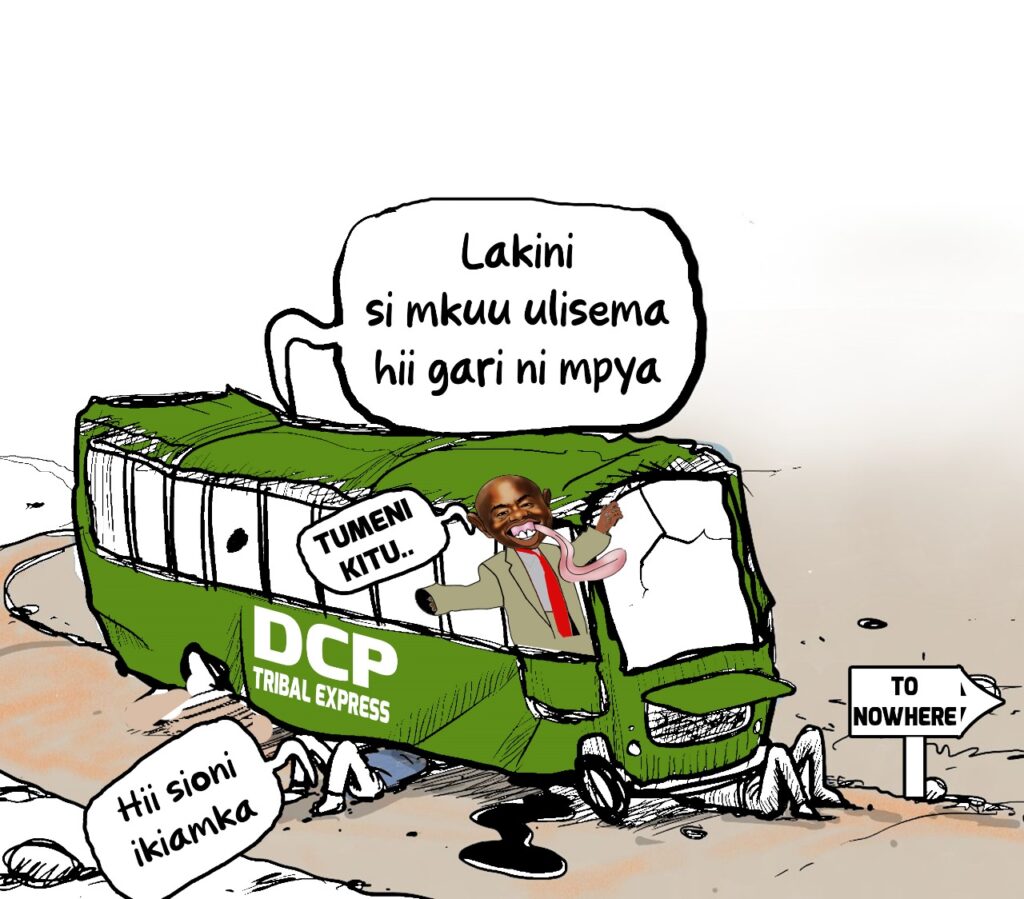
Today, however, Mt. Kenya’s politics seems to have lost its moral compass. Rigathi Gachagua dominates the headlines, not for ideas or national vision, but for constant grievances, tribal undertones, and personal feuds. The mountain that once gave Kenya thinkers, reformers, and builders now risks being remembered for bitterness and division.
As 2027 approaches, Mt. Kenya must look inward and ask: where are the new Kibakis, Matibas, Karuas, and Maathais? If Rigathi Gachagua is truly the best the mountain can produce, then it’s time to admit — the peak of leadership in Mt. Kenya has sadly been lost in the fog.