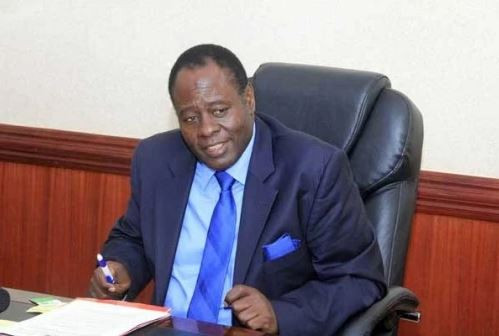
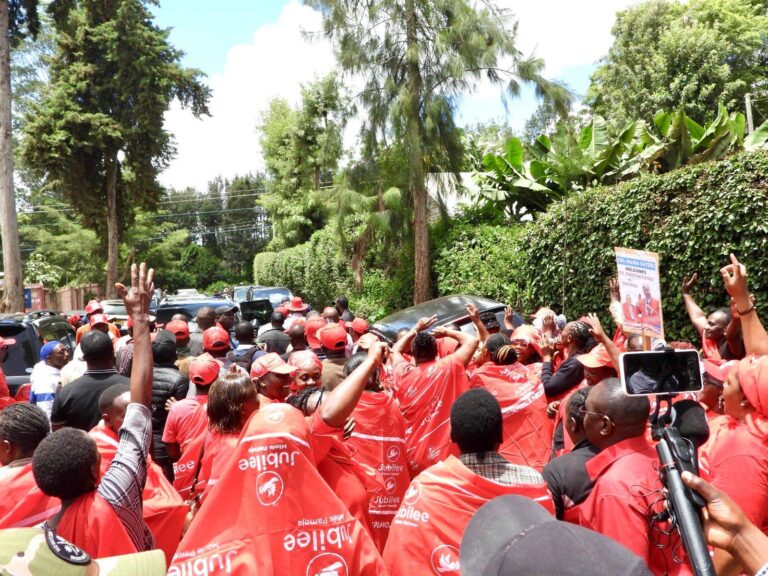
Every time Rigathi Gachagua faces a political storm, he runs to the nearest microphone. It’s his favorite weapon — not reason, not dialogue, but noise. This time, after realizing that his candidate in Mbeere is being rejected by voters, Gachagua has once again turned to the media, summoning Embu’s vernacular stations for an interview.
The goal? Simple — to incite, to divide, and to shift blame. Gachagua plans to brand rival candidates as “traitors,” accuse them of working with outsiders, and tell voters that the money circulating in their region — the so-called SHA funds — belongs to “their government.” He will urge them to “eat their money” as if that is leadership. It’s an old playbook of manipulation — one built on fear, tribal guilt, and emotional blackmail.
But what Gachagua doesn’t seem to understand is that voters have evolved. The people of Embu, just like those across Mt. Kenya, are no longer swayed by loud declarations and emotional threats. They are watching closely, comparing actions to words, and choosing leaders who offer vision, not volume.
Each time voters ask what Gachagua truly stands for, they are met with silence — except for the constant noise of self-praise and blame games. His brand of politics has become predictable: when cornered, play victim; when losing, incite; when ignored, shout louder.
The Embu electorate no longer needs lectures on loyalty — they need leadership that listens, unites, and delivers. Gachagua’s microphone may still be loud, but the people’s minds are louder. The era of emotional politics is ending, and Gachagua is still stuck in the past — shouting to a crowd that has already moved.