When history looks back at the impeachment of former Deputy President Rigathi Gachagua, it will not see it as a political witch-hunt. It will see it as an act of national hygiene — a necessary intervention to protect the integrity of the Republic from a leader who had turned public office into a theatre of personal wars, corruption, and tribal politics.
From the moment Gachagua entered office, he blurred the line between public duty and personal interest. He ran the Office of the Deputy President like a private business empire — issuing parallel instructions to ministries, intimidating civil servants, and weaponizing state agencies to punish those who disagreed with him. His obsession with loyalty and control crippled government coordination and created unnecessary friction within the executive.
The corruption allegations that trailed him were not mere political gossip. The sudden withdrawal of a KES 7.4 billion graft case, and the mysterious recovery of KES 200 million earlier seized by the courts, raised serious questions about integrity. Reports of him using public funds and proceeds of corruption to acquire luxury hotels and apartments in Nairobi, Mombasa, and Nyeri only confirmed that his leadership had become more about enrichment than service.
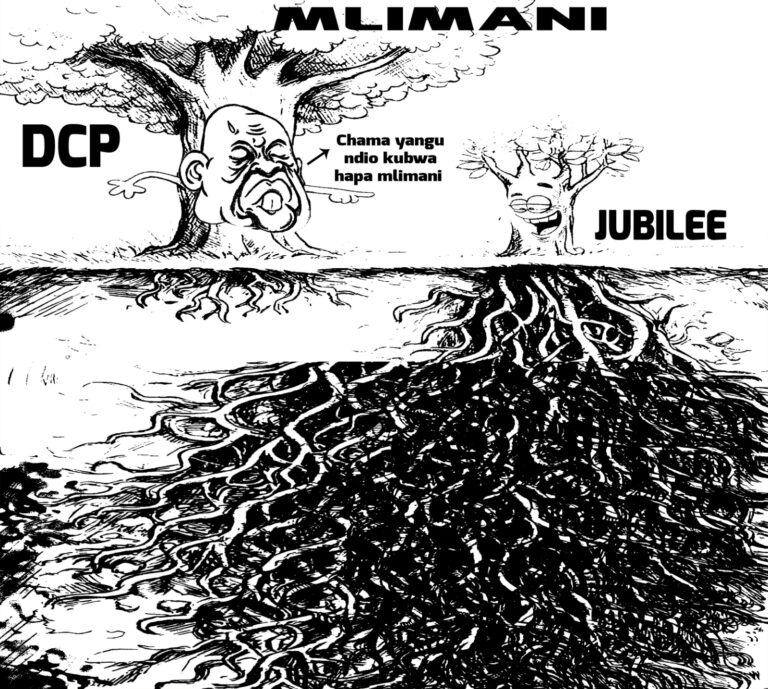
But perhaps Gachagua’s greatest undoing was his divisive politics. Instead of uniting Kenyans under the Bottom-Up Economic Transformation Agenda, he built walls of tribal identity — preaching the gospel of “shareholders and non-shareholders,” turning communities against each other, and isolating Mt. Kenya from the rest of the country. His arrogance and public insults toward governors, MPs, and even Cabinet colleagues made him ungovernable.
After impeachment, his behaviour has only reinforced why his removal was justified. Rather than reflecting on his failures, Gachagua has doubled down — hijacking the Gen Z-led reform movement and twisting it into a tribal crusade. He speaks not like a reformed leader, but like a bitter man on a revenge mission, obsessed with power and personal redemption.
Kenya deserves leaders who build, not destroy; who unite, not divide; who serve, not enrich themselves. Gachagua’s impeachment was not just about removing a man from office — it was about restoring the moral compass of leadership. And as his recent conduct shows, Parliament did not make a mistake. They simply saved the country from a political time bomb that was bound to explode.