Kenya’s political scene is shifting fast, and one man seems to be finding himself increasingly isolated — former Deputy President Rigathi Gachagua. For many leaders, associating with him has become more of a liability than an asset.
The reason is simple: Gachagua’s style of politics is transactional and overbearing. He thrives on the narrative that he “delivers numbers” and therefore must be rewarded. His trademark argument is that he commands seven million votes, and any president who benefits from his backing must pay him back with positions, privileges, and influence. In practice, this turns the presidency into a servant of his personal demands rather than a servant of the people.
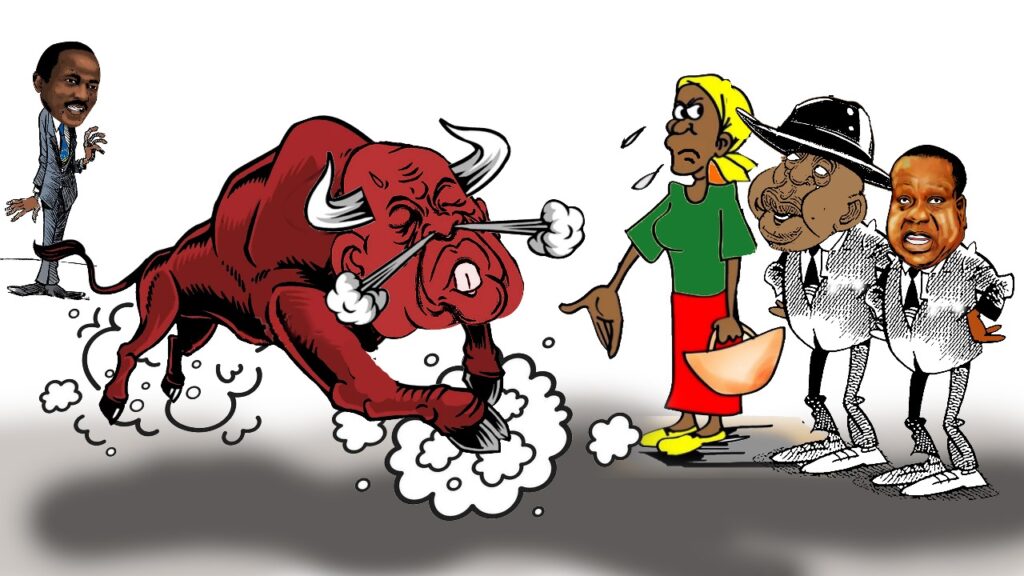
This is precisely why many politicians are keeping their distance. No leader wants to inherit the baggage of a backroom broker who constantly reminds them of political debts. Whoever Gachagua supports in 2027 — should they even succeed — risks being trapped in endless bargaining instead of focusing on governing for all Kenyans.
The contrast between his approach to different leaders explains the drift. Gachagua views Kalonzo Musyoka as someone he can easily bend to his will. But he dreads a leader like Fred Matiang’i, who has built a reputation for being firm, principled, and immune to political manipulation. A partnership with Matiang’i would render Gachagua powerless, and he knows it.
Ultimately, Kenyan politics is moving away from tribal brokers and shifting toward leaders with integrity, vision, and independence. Gachagua’s survival depends on backroom deals, but Kenyans are increasingly demanding a president chosen by the people — not one installed through threats, ultimatums, or political blackmail.
For this reason, politicians are not just running away from Gachagua; they are running toward a new era of people-centered politics.