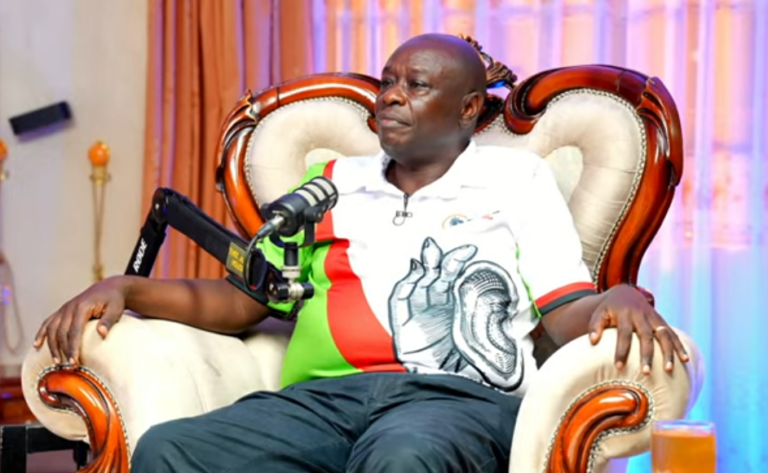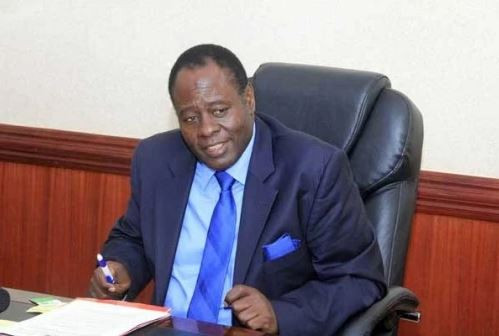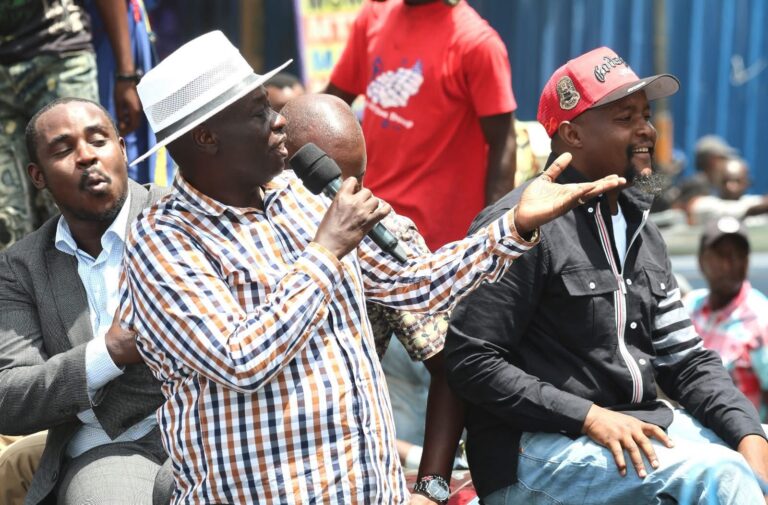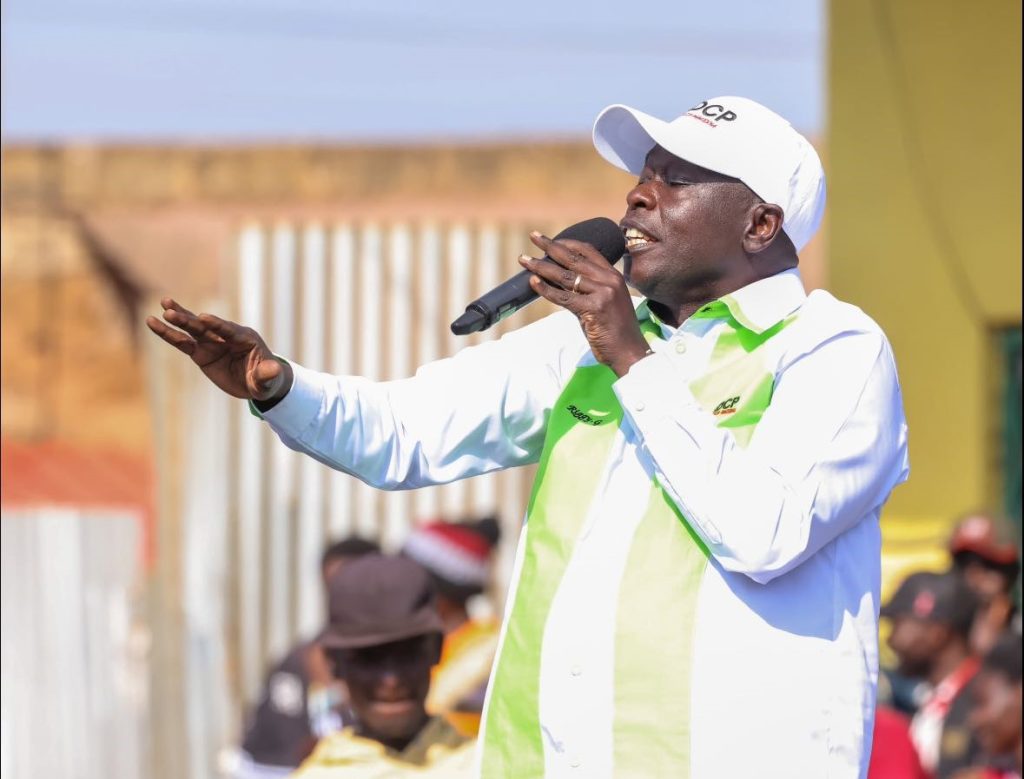
Rigathi Gachagua’s once blinding aura has dimmed to a flicker, swallowed by the harsh glare of political irrelevance. The former Deputy President, impeached in a bruising October 2024 spectacle for corruption, insubordination and ethnic incitement, has tumbled from the second-highest office to the margins of public discourse.
His self-styled “diaspora charm offensive” in the United States this July was meant to revive his profile. Instead, it collapsed in embarrassment. He cut the tour short after 43 days, facing hostile crowds and awkward questions about his constant rants against the same government he once served.
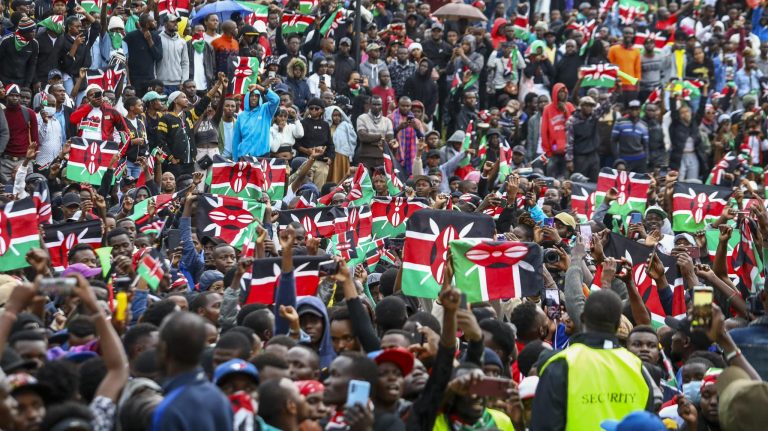
Gone too are the thunderous “one-term” threats against President Ruto and the folksy “hi cousin” sloganeering that once electrified Mt. Kenya rallies. Kenyans, weary of his sympathy-seeking theatrics – from fabricated abductions to imaginary plots – have simply moved on. Parliament’s boot was swift; public pity fleeting. A viral poll asking whether Gachagua deserves a 2027 second chance returned a national shrug.
His miscalculation was fatal: betting on victimhood instead of vision. While he peddled tribal division and empty defiance, the country demanded leaders with coherent plans, not slogan-masters stoking chaos. Analysts now describe his trajectory as a “narrow path between revival and doom” – with even erstwhile allies quietly slipping away under the weight of corruption whispers and self-sabotage.
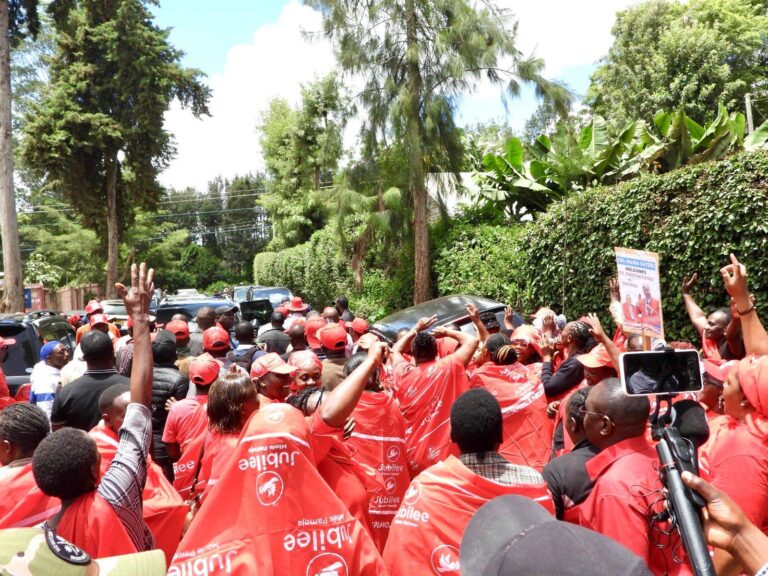
The opposition offers little comfort. Engaged in endless meetings to plan more meetings, they vow unity in 2027 but deliver nothing tangible. If they remain stuck in neutral, they too will be reduced to footnotes.
Gachagua’s eclipse is a cautionary tale. In Kenyan politics, arrogance without strategy is suicide. The nation marches forward. Rigathi Gachagua? He lingers in the rearview mirror – a fallen giant consumed by the wreckage of his own ego.