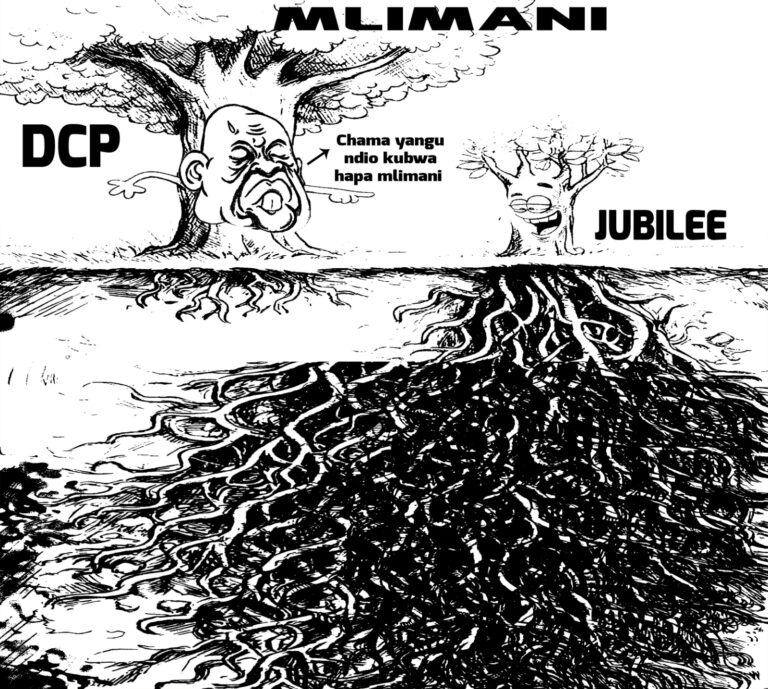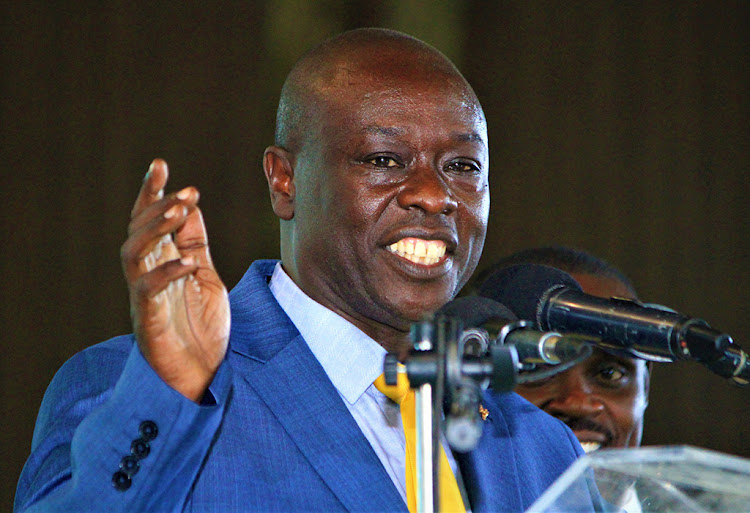
Looking back, the impeachment of former Deputy President Rigathi Gachagua was less about political rivalry and more about a fundamental betrayal of the Constitution. At its core, his downfall stemmed from divisiveness—his persistent use of rhetoric and actions that undermined unity, inclusivity, and equality in Kenya.
The charges before Parliament and the Senate highlighted gross violations of key constitutional articles. Article 10 binds state officers to uphold national values, including inclusiveness and non-discrimination. Yet Gachagua repeatedly threatened to deny certain communities access to jobs, appointments, and resources. By framing leadership as a reward for some and punishment for others, he fractured the very national unity he was duty-bound to protect.
Article 27(4) guarantees all Kenyans freedom from discrimination. Gachagua’s approach ran directly counter to this, suggesting that entire regions could be excluded from government benefits. This was not only reckless but dangerous in a country where ethnic relations remain fragile.
Equally damaging was his violation of Articles 73 and 75, which demand integrity and respect for the dignity of office. The Deputy Presidency is meant to symbolize unity, yet Gachagua reduced it to an ethnic bargaining tool. His words and conduct eroded trust in the office itself.
Article 129(2) requires that executive authority be exercised in service of all citizens. By advancing partisan and exclusionary politics, Gachagua betrayed this principle. And under Articles 147 and 131, he was supposed to support the President in fostering cohesion; instead, he deepened division.
In the end, divisiveness was his undoing. His impeachment was not just justified—it was necessary. It reaffirmed that no leader, however high-ranking, can trample on the Constitution. Leadership exists to unite Kenyans, not divide them.