A chilling warning on social media is shaking Kenya’s political class. Shared by former MP Ngunjiri Wambugu, the message — penned by a citizen named Maina — warns: “When tribal politics enter a house, it never leaves without painting it red.”
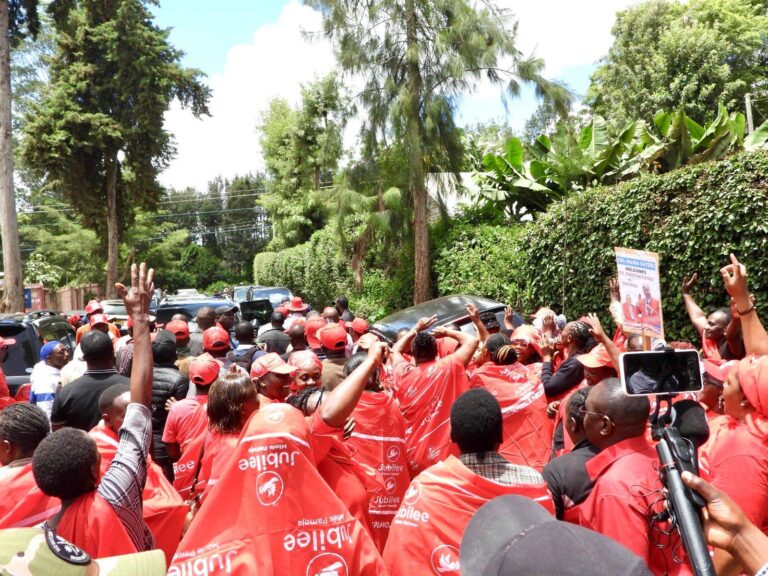
Maina laments a dangerous shift — from an era when tribal bargaining was whispered behind closed doors to today, when senior leaders rally crowds along ethnic lines without hesitation. “Never before in our history have tribal cards been played so boldly in the open,” he writes, singling out the trend of framing political alliances as “cousins” bound by ancestry.
This new brazenness, Maina warns, risks undoing the progress of the 2022 elections, when Kenya briefly saw ethnic voting patterns diluted. High-profile figures like former Deputy President Rigathi Gachagua, with his repeated calls for Kikuyu unity, have become the face of this reversion.
Wambugu, once Gachagua’s ally, says the former DP’s playbook — including his “one man, one shilling” revenue push — is designed to consolidate Mt. Kenya’s six million voters at the expense of national cohesion. Critics accuse him of building a tribal machine, not a unifying movement.
But Maina’s focus is bigger than one man. He draws from Kenya’s darkest chapters, warning that tribalism “has never delivered peace,” recalling the 2007 bloodshed that killed over 1,200 and displaced 600,000. “We cannot allow leaders to pet a dangerous animal in our home and then feign surprise when it bites,” he writes, urging Kenyans to reject hate-driven politics through protest and the ballot.
His plea, amplified by Wambugu, is blunt: “In times like these, silence is betrayal.” With two years to go, Maina says the choice is stark — stop this “drunk driver’s” train now, or ride it into the wreckage history has already shown. As 2027 approaches, he warns, tribal politics could once again overshadow the real issues of governance, youth empowerment, and economic recovery.