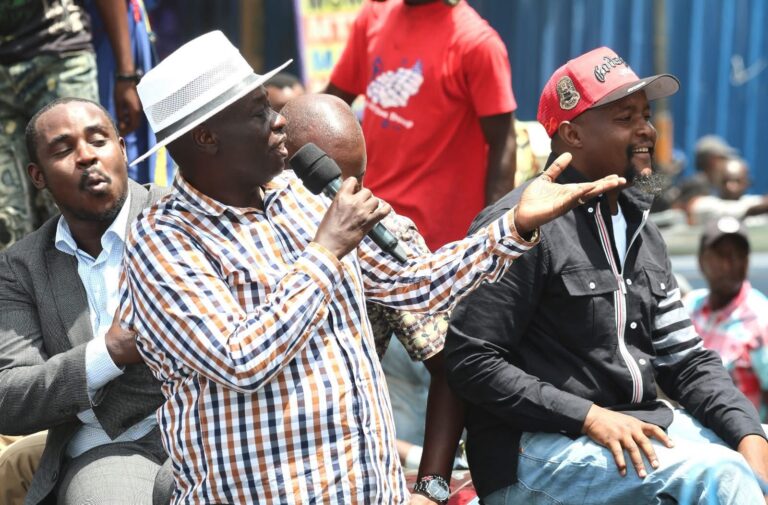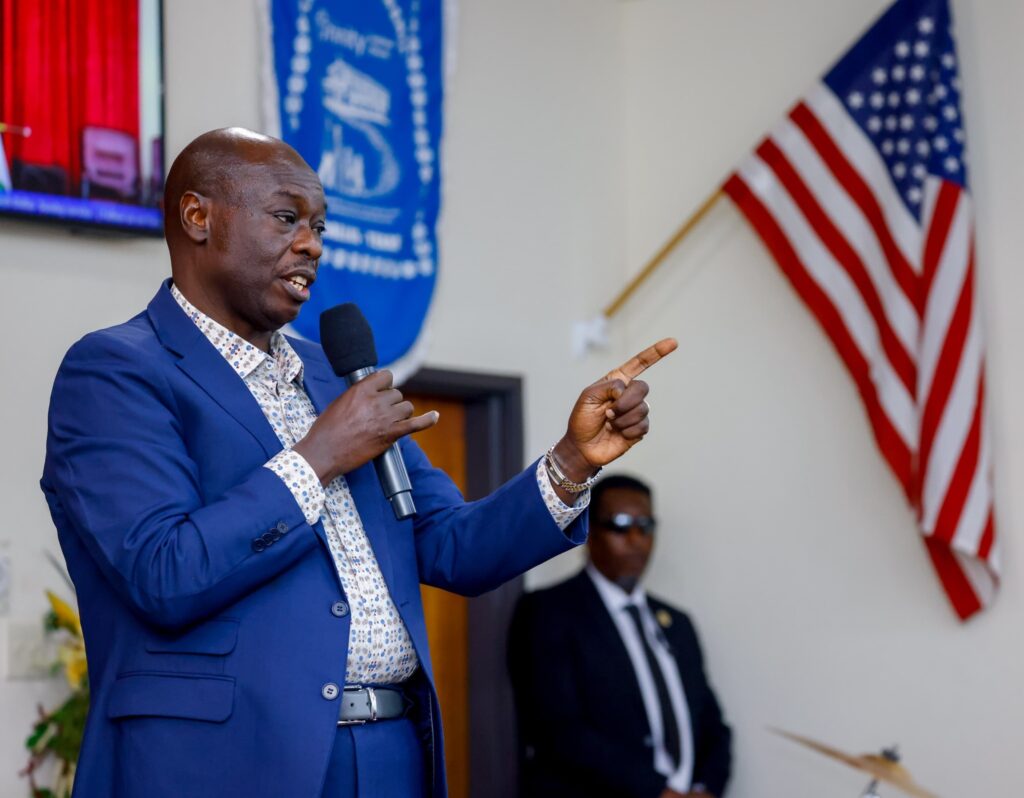
Former Deputy President Rigathi Gachagua’s decision to ban video recordings during a Q&A session in Washington, D.C., speaks volumes. For a man who claims to be the voice of the people, why silence the very people he flew across oceans to engage? Why fear questions that aren’t rehearsed? The answer is simple: Gachagua wants control, not accountability.
At a time when the diaspora—especially the youth—are demanding bold, inclusive, and progressive leadership, Gachagua has retreated into the shadows of censorship and tribal rhetoric. His latest U.S. tour, branded as a charm offensive, is fast unraveling into a cautionary tale of outdated politics trying to rebrand in a modern world. You don’t win over Gen Z with tribal loyalty oaths and curated soundbites. You engage, you listen, and—most importantly—you allow them to speak back, on record.
But Gachagua’s fear of being challenged publicly, especially on video, is not surprising. His brand of politics thrives in echo chambers—rooms where only praise is amplified, and criticism is either deflected or deleted. That’s why he couldn’t face unscreened questions. That’s why livestreams were cut when the real conversation began.
And yet, it is this very insecurity that exposes his political weakness. Leaders who censor don’t trust the people. Leaders who fear questions don’t have answers. Gachagua’s attempt to silence critique, especially from the youth, only deepens the generational gap he pretends to bridge.
If you cannot face tough questions from the diaspora, how will you face Kenya’s problems back home?
This isn’t leadership. It’s cowardice—dressed in a suit, holding a mic, dodging the truth.
And the youth, both in Kenya and abroad, are no longer buying it.