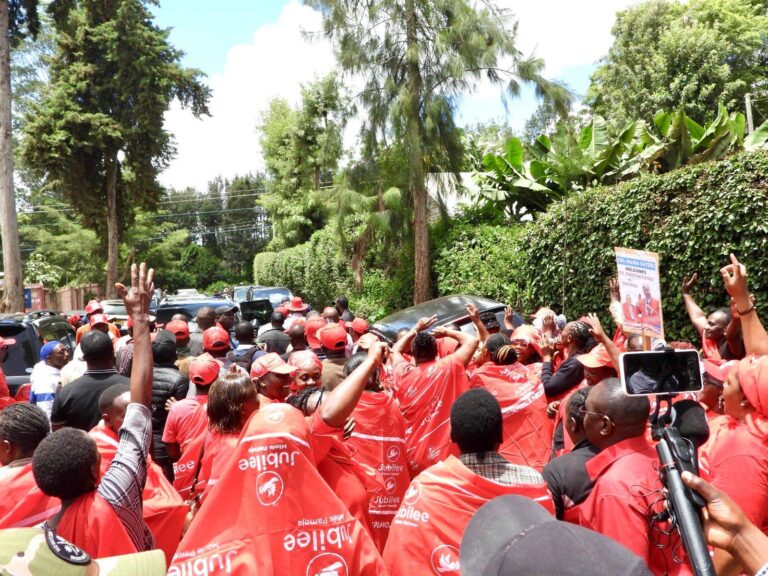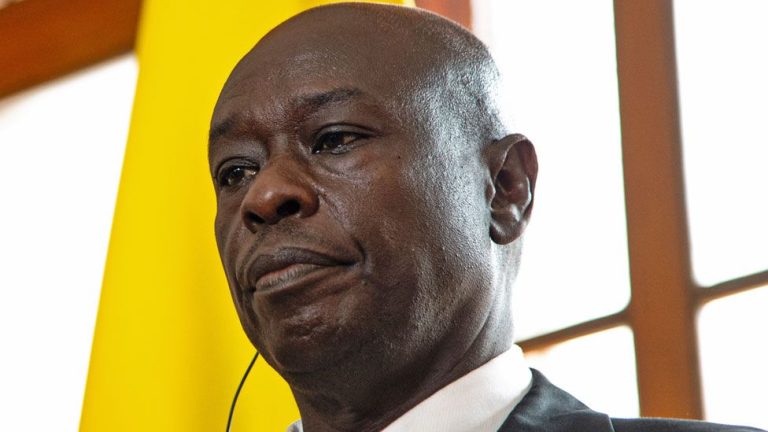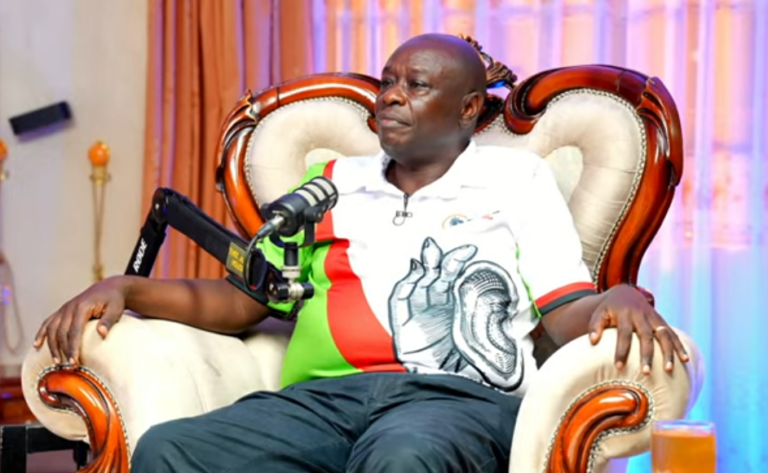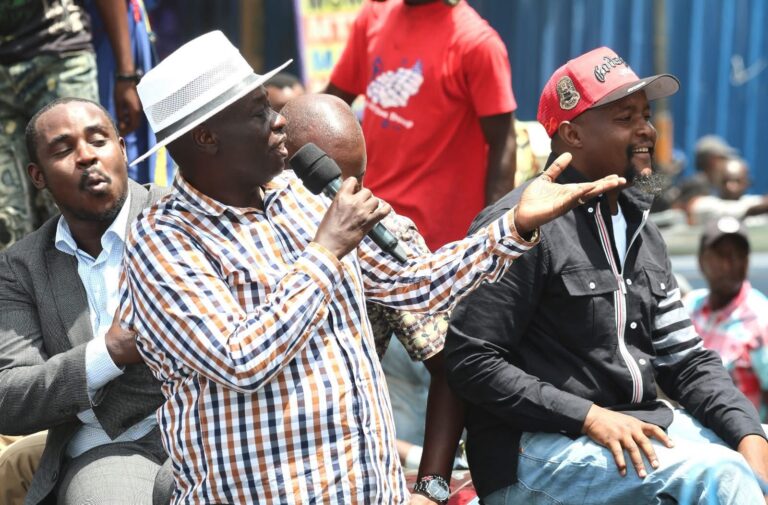
Rigathi Gachagua may have packed his bags for the United States hoping to charm the diaspora with his rehearsed grievances, but what he found instead was a mirror—one held up by young, informed, and fearless Kenyans who refused to clap for tribalism.
In Baltimore, it wasn’t business as usual. The same tired ‘Murima first’ rhetoric that once stirred applause in Mt. Kenya met resistance from bold diaspora youth who demanded substance over slogans. These are not the folks who attend rallies for handouts. They are professionals, thinkers, and change-makers—and they were not buying Gachagua’s politics of fear and victimhood.
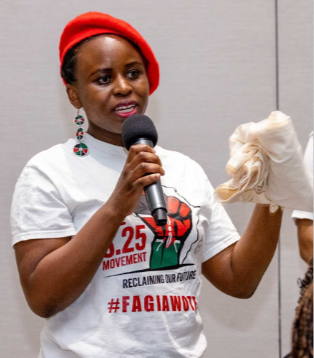
One youth leader, Valentine Wanjiru Githae, hit the nail on the head: “If we position ourselves as Kikuyus, another tribe will also do that, and before we know it, we are back to the same problem.” That is the bitter truth Gachagua’s politics ignores. Kenya is not a village baraza—it’s a nation of 50 million people, all seeking dignity, opportunity, and unity.
But the most revealing moment was when a young man asked, “Why should we trust your judgement in 2027 if it is what gave us Ruto?” There was no real answer, only deflection.
Gachagua now claims he made a mistake backing President Ruto. But this isn’t accountability—it’s political convenience. You don’t spend two years defending the government you helped build, get impeached, and then rebrand as the voice of the betrayed. That’s not leadership. It’s opportunism.
What Gachagua is discovering on this US tour is simple: Kenya’s youth, especially in the diaspora, are tired of being herded by tribal shepherds. They want a country, not a clan. They want ideas, not ethnic arithmetic.
The diaspora isn’t buying nostalgia. And neither will the rest of Kenya in 2027.