Former Deputy President Rigathi Gachagua’s political machine thrives on a troubling contradiction: his supporters cheer dissent when it weakens rivals, yet ruthlessly crush it within their own Mt. Kenya stronghold. This hypocrisy, laid bare by recent events, exposes a dangerous brand of politics that threatens Kenya’s democratic fabric as the 2027 elections loom.
The spark came during Nairobi Senator Edwin Sifuna’s explosive Citizen TV interview with Yvonne Okwara on July 22, 2025, where he challenged Raila Odinga’s support for the Broad-Based Talks and criticized the government’s trajectory. Gachagua’s loyalists flooded social media, hailing Sifuna as a “bold truth-teller” and a “future president” who “doesn’t need Baba or ODM.” Posts on X celebrated his independence, with some even suggesting he should run unopposed. Yet, this enthusiasm for Sifuna’s defiance reveals a stark double standard when contrasted with Gachagua’s intolerance for dissent in his own backyard.
In Mt. Kenya, leaders who question Gachagua’s divisive agenda face relentless vilification. Former President Uhuru Kenyatta, Laikipia East MP Mwangi Kiunjuri, former Nyeri Town MP Ngunjiri Wambugu, and National Assembly Majority Leader Kimani Ichung’wah have all been branded “tukunia” (trash), “kunda gutume” (sellouts), or “msaliti” (traitors) by Gachagua’s supporters for challenging his regional dominance. Gachagua himself has fueled this hostility, publicly urging constituents to “punish” dissenting MPs in 2027 and using coded phrases like “greet them” or “occupy their spaces,” which have incited harassment. For instance, Nyeri Town MP Duncan Mathenge faced heckling and near-violent confrontations at a public event in April 2025, with crowds chanting “msaliti” at Gachagua’s behest.
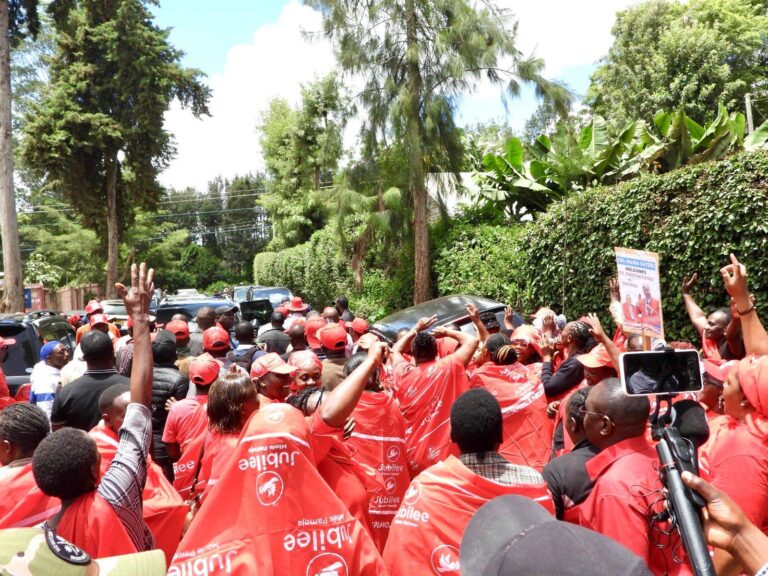
This pattern of intimidation is not new. During a May 2025 thanksgiving service in Wamunyoro, Gachagua accused Ruto’s allies, including Ichung’wah and Kiunjuri, of collaborating with the government to “destroy” Mt. Kenya, framing dissent as betrayal. He has also targeted former allies like Ngunjiri Wambugu, who defected to Uhuru’s Jubilee Party, accusing Gachagua’s camp of defamation and “one-party dictatorship.” Wambugu, once Gachagua’s communications aide, warned that the former DP’s “Ituungati” movement risks evolving into a cult-like political force, echoing concerns raised by Kiunjuri about Gachagua’s “toxic political culture.”
Gachagua’s rhetoric has real consequences. The launch of his Democracy for Citizens Party (DCP) in Nairobi on May 15, 2025, was marred by violence, with goons disrupting the event and forcing security to intervene. Similarly, MPs like Moses Kuria and Sabina Chege have faced public humiliation, including Kuria’s forced exit from a Mugithi event in 2024 after being labeled a traitor. Gachagua’s calls for “political zoning” to consolidate Mt. Kenya’s ethnic vote have further alienated leaders like Ichung’wah, who dismissed Gachagua’s accusations as “absurd” and self-serving.
The hypocrisy is glaring: Gachagua’s supporters applaud Sifuna for challenging Odinga, yet their leader demands absolute loyalty from Mt. Kenya, punishing any deviation with vitriol or worse. This selective valor—celebrating dissent when it weakens rivals like Ruto or Odinga, but silencing it at home—reveals a morally bankrupt approach. Political analyst David Monda notes, “Gachagua’s intolerance for independent thought in Mt. Kenya undermines his claims of championing unity. It’s a dangerous precedent that stifles democracy.”
As Kenya navigates a fragile political landscape, Gachagua’s double standards demand scrutiny. If Sifuna’s courage to question Odinga is worth celebrating, so too is the bravery of Mt. Kenya leaders like Uhuru, Kiunjuri, Wambugu, and Ichung’wah, who refuse to bow to a man prioritizing personal ambition over national progress. Kenya deserves leadership that embraces dissent as a cornerstone of democracy, not one that punishes it with threats and goons. The Standard calls for a rejection of this divisive playbook—one that risks plunging the nation into deeper ethnic and political strife.