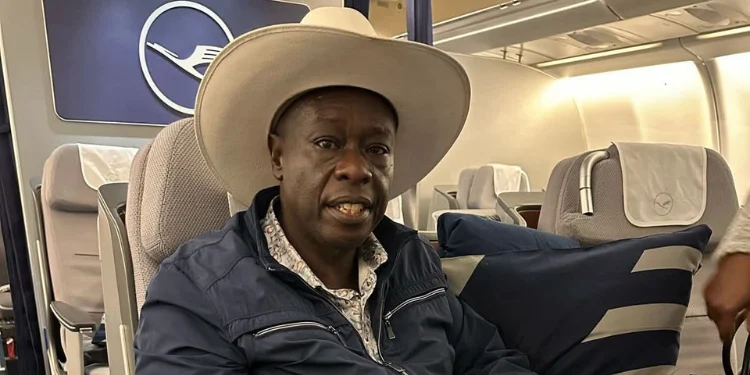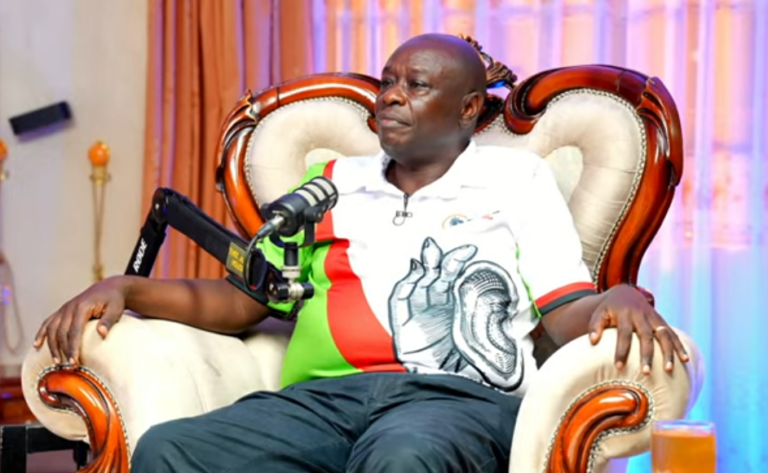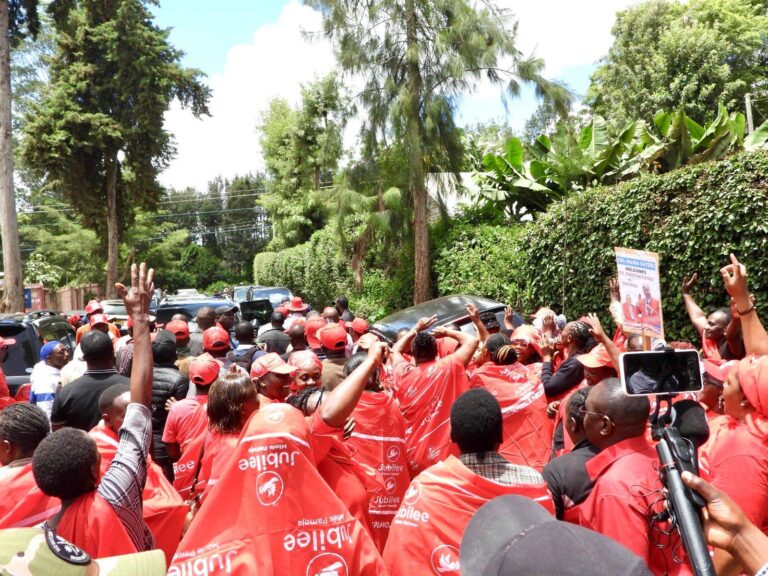
In a saga that reads like a political thriller, former Deputy President Rigathi Gachagua has once again thrust himself into the national spotlight—this time with a controversial financial scheme targeting the Kenyan diaspora in the United States.
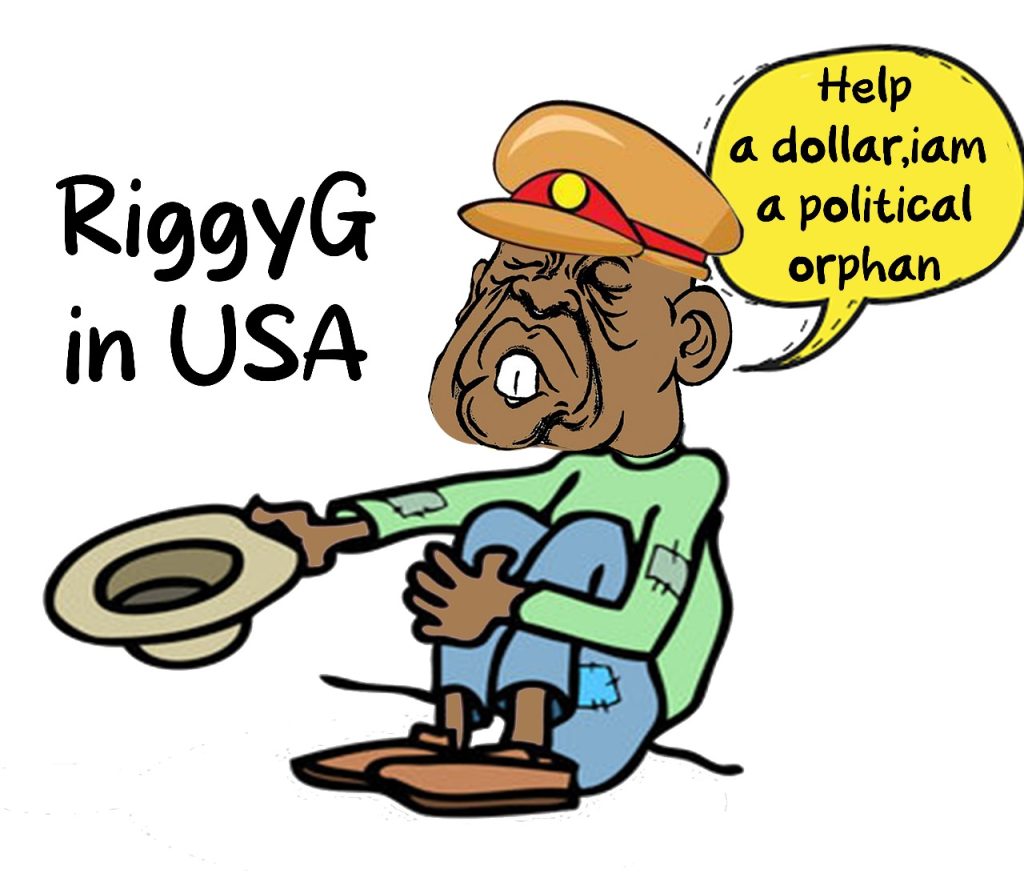
Gachagua’s latest pitch? He is calling on Kikuyus living in America to stop sending remittances to Kenya until 2027, when he claims he will return to power. Instead, he’s asked them to redirect their monthly contributions into two private accounts under his control—a move raising serious questions about his motives and integrity.
Diaspora Dollars or Political Racket?
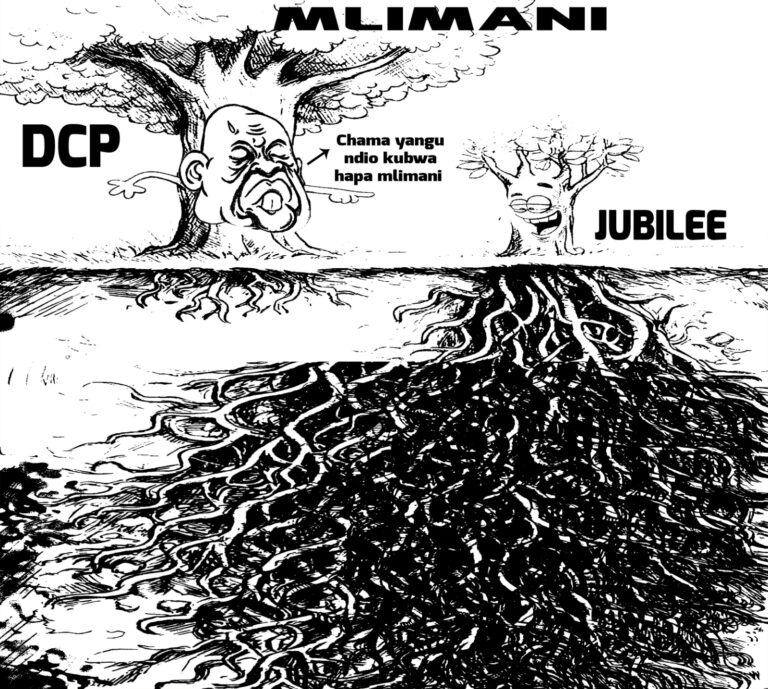
Gachagua’s Democracy for Citizens Party (DCP), launched earlier this year, has already been clouded by allegations of financial impropriety. Reports indicate that party members were coerced into contributing funds purportedly for DCP activities, but much of that money allegedly financed Gachagua’s lavish two-month U.S. tour.
Diaspora Kenyans have been charged up to KSh 250,000 for private meetings with the former deputy president—a tour presented as a platform for his 2027 presidential ambitions, but increasingly seen as a thinly veiled fundraising operation.
The Plot Thickens: Two Secret Accounts
The most alarming twist? Gachagua has set up two financial accounts specifically for diaspora contributions:
• One, allegedly for the DCP, is jointly controlled by Gachagua and his wife.
• The other, for what he calls “community protection,” is managed by Gachagua and his close associate, Gacheri.
Both accounts raise red flags about potential misuse of funds, especially given Gachagua’s history of money-laundering allegations and past financial controversies.
A Pattern of Manipulation?
This isn’t Gachagua’s first brush with controversy. After his impeachment in 2024, he quickly pivoted to launching the DCP—a party mocked on social media when fake posters circulated promising a glitzy launch featuring Julius Malema. The actual event turned out to be a modest affair marred by venue problems.
Yet despite repeated setbacks, Gachagua has shown an uncanny ability to spin political turbulence into personal fundraising opportunities, solidifying his grip on tribal loyalists while raising concerns over transparency.
Economic Sabotage or Political Strategy?
Critics warn that Gachagua’s call to withhold diaspora remittances is not just a political stunt but an act of economic sabotage. The Central Bank of Kenya reports that remittances—already down due to global slowdowns—remain a lifeline for thousands of households. Halting them could deepen the financial crisis for families who rely on these funds to survive.
As this political drama unfolds, one question lingers in the minds of Kenyans both at home and abroad:
Is Rigathi Gachagua a conman in kingpin’s clothing—or a visionary with unconventional methods?
For now, the diaspora deserves answers—not promises.