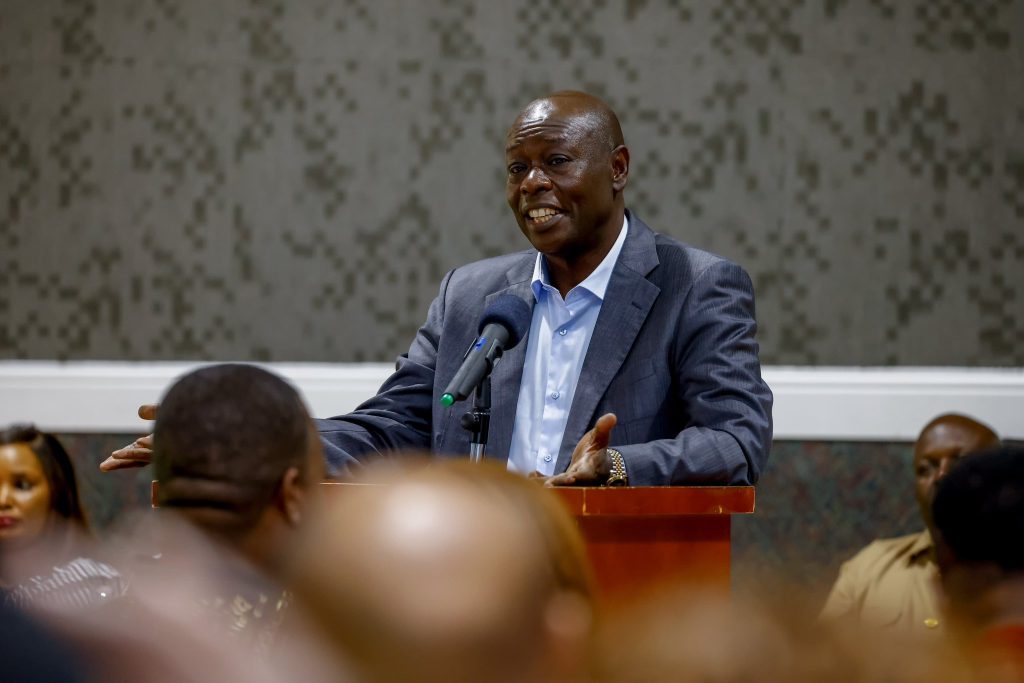
Deputy President Rigathi Gachagua’s high-profile tour of the United States has ignited a political storm back home, with critics accusing him of advancing a narrow ethnic agenda at the expense of national unity and diplomacy.
Gachagua, who has publicly hinted at a 2027 presidential bid, framed the trip as a chance to engage Kenyans in the diaspora. But his itinerary has triggered sharp criticism from political analysts, leaders, and citizens alike, who say the Deputy President missed an opportunity to elevate Kenya’s global standing.
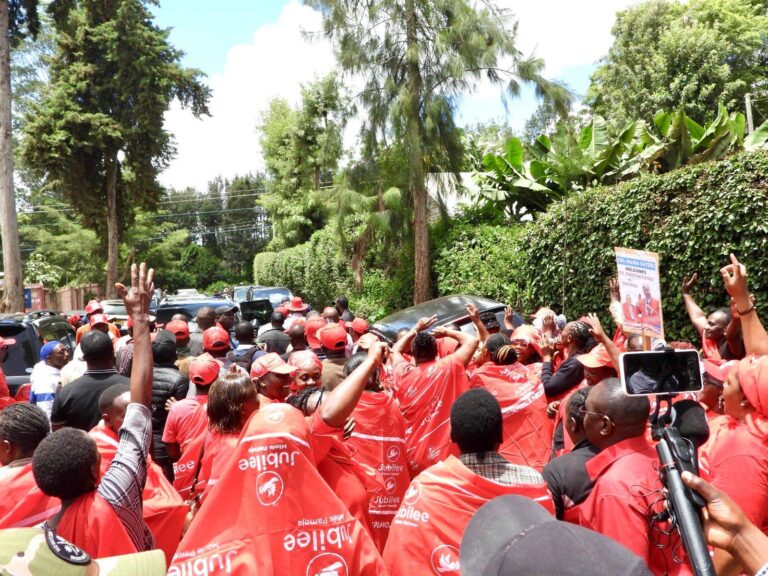
Instead of meeting U.S. policymakers, business leaders, or international development partners, Gachagua focused primarily on rallying members of the Kikuyu community in what many have described as tribal consolidation on foreign soil.
“He flew thousands of miles only to preach Kikuyu supremacy,” a post from prominent X user @KinyanBoy read, capturing the growing public frustration online. Another user, @KAELI254_, called it “tribal posturing abroad,” noting the absence of any engagements that reflected Kenya’s broader national interests.
The backlash underscores a long-standing concern over Gachagua’s political style, which some MPs and observers say is rooted in ethnic mobilization rather than inclusive leadership. Nairobi MP George Aladwa and Gem MP Elisha Odhiambo have in the past cautioned that his rhetoric risks igniting ethnic tensions, a fear now echoed by segments of the Kenyan diaspora watching his U.S. tour unfold.
Obsessed With Raila, Silent on Policy
Critics have also questioned Gachagua’s preoccupation with opposition leader Raila Odinga during his diaspora meetings. Instead of outlining a vision for Kenya’s economic recovery, youth empowerment, or healthcare reform, the Deputy President repeatedly attacked his political rival—a move many view as a distraction from substantive leadership.
“This isn’t a comeback tour—it’s a final act of desperation,” wrote @Benson_Mwiti_25 on X, reflecting the disillusionment felt by many young Kenyans who had hoped for bold, forward-looking leadership.
Diplomatic observers say Gachagua squandered a chance to position himself as a statesman. With Kenya’s economy reeling from inflation and youth unemployment at an all-time high, leaders expected the Deputy President to seek partnerships, pitch for investments, or engage with U.S. political counterparts on strengthening bilateral ties. None of that happened.
A Test of National Leadership
As the 2027 election cycle looms, Gachagua’s trip has reignited debate over the kind of leadership Kenya needs. With President William Ruto battling multiple fronts—both economic and political—his deputy’s apparent focus on ethnic consolidation has raised concerns within the ruling Kenya Kwanza alliance.
“Kenya has 56 million citizens, not just one community,” a political analyst who requested anonymity told The Standard. “If Gachagua truly wants to lead this nation, he must step beyond Mount Kenya politics.”
For now, the Deputy President’s U.S. visit has left more questions than answers—chief among them: is Rigathi Gachagua positioning himself as a national leader, or merely the tribal chief of a restless political base?