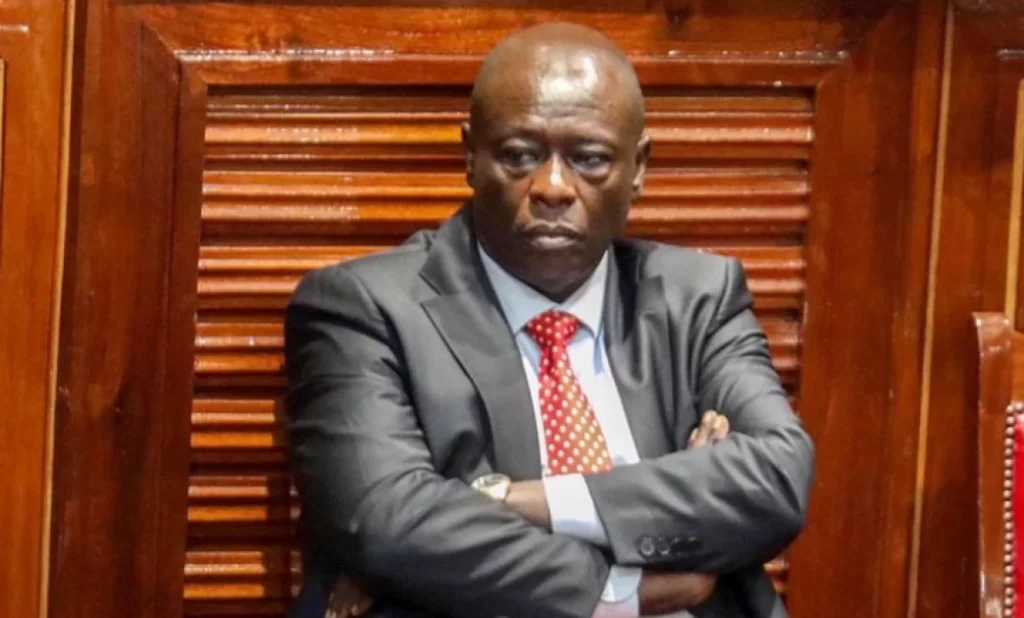
Former Deputy President Rigathi Gachagua was impeached not just for his confrontational style or political fallout with President William Ruto, but for promoting a dangerous brand of politics that aimed to isolate the Mt. Kenya region from the rest of the country. His repeated insistence that Mt. Kenya was the “biggest shareholder” in government became the foundation for a divisive narrative that put ethnic entitlement above national unity.
While still serving as Deputy President, Gachagua launched an aggressive political campaign centered on Mt. Kenya supremacy. He openly declared that the region should be served first — before any other part of the country — because it had “given the most votes” to the ruling coalition. This tribal arithmetic not only disregarded the inclusive spirit of national governance, but also created the perception that some regions were less deserving of development and attention.
His statements, often made during political rallies, interviews, and local church events, created tension among leaders from other parts of the country. It alienated Mt. Kenya from the rest of Kenya, painting the region as self-centered and politically greedy — a narrative that risked national cohesion and widened ethnic fault lines.
The impeachment, therefore, was not an act of betrayal as he claims, but a necessary correction to protect the unity of the nation. Kenya cannot afford leaders who stoke ethnic emotions for personal political mileage. The country requires leadership that views all regions equally — as contributors to, and beneficiaries of, the national journey.
By removing Gachagua, the government sent a clear message: Kenya belongs to all of us, not just to those who voted the most. Leadership is about inclusion, not isolation. Mt. Kenya deserves a leader who unites Kenya, not one who divides it for personal gain.