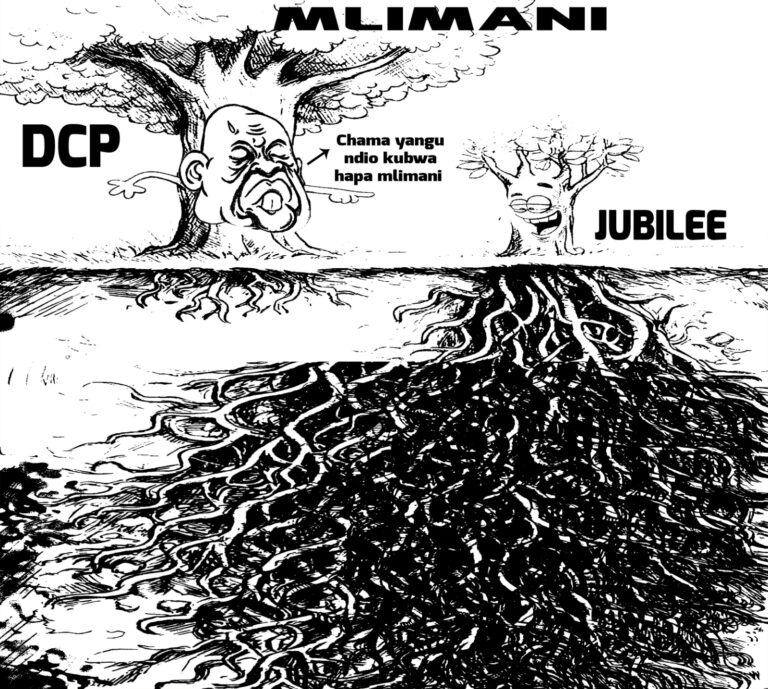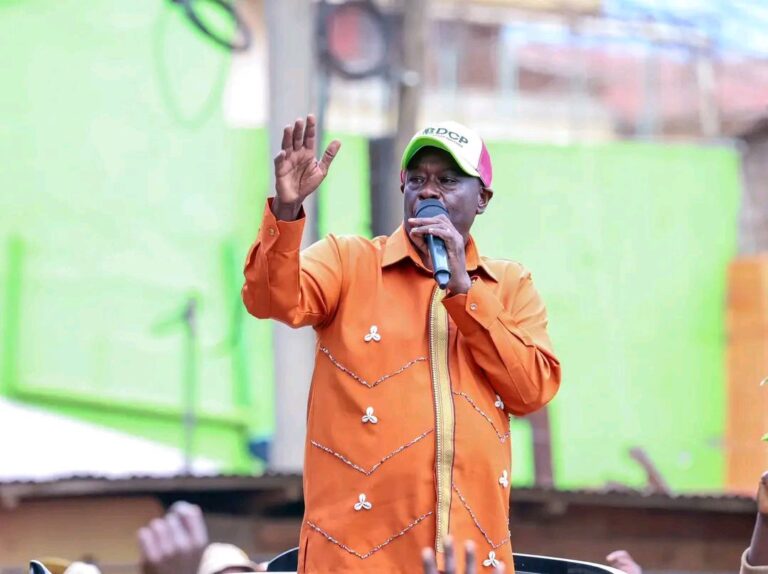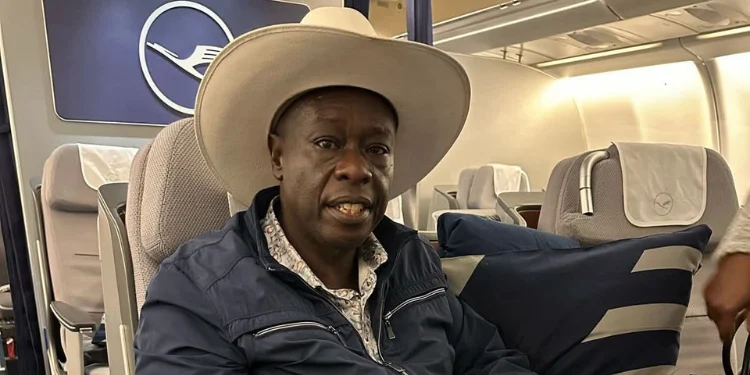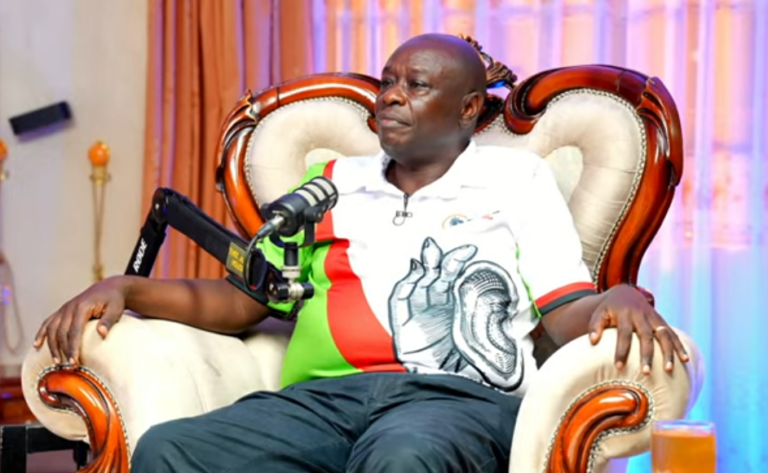
Rigathi Gachagua’s political journey is a textbook example of how power, when driven by self-interest and tribal rhetoric, can poison leadership and divide a nation. From his early days in the Ruto-led “hustler movement” to his dramatic fallout, Gachagua has mastered the art of emotional manipulation—presenting himself as a victim, a general, and a saviour of Mt. Kenya, all in service of personal ambition.
But beneath the slogans lies a hollow legacy. His rise was not built on service delivery or policy reform, but on inflaming ethnic insecurities and exploiting historical grievances. He reduced the Mt. Kenya region—a vibrant hub of entrepreneurs, farmers, and professionals—into a tribal monolith used to negotiate political deals for himself and his inner circle.
As Deputy President, Gachagua’s tenure lacked substance. He brought no major infrastructure, economic policy, or meaningful reform to the table. Instead, he fought political wars, bullied colleagues, and demanded loyalty based on ethnicity rather than performance. Every failure was someone else’s fault—Ruto, Raila, or fellow Mt. Kenya leaders—never his.
Now, through the “Itungati” narrative, he attempts to rebrand himself as the voice of the region. But this too is a strategy rooted in victimhood and propaganda, not vision. He doesn’t unite Mt. Kenya; he fractures it. He doesn’t empower youth; he weaponizes their frustration. He doesn’t challenge corruption; he shifts blame while evading scrutiny.
Gachagua’s brand of politics is toxic. It thrives on division, not development. Loyalty, in his playbook, is not earned through delivery but demanded through tribal fear. Kenya—and Mt. Kenya—must reject this brand of leadership.
We need servant leaders, not power-hungry generals. Leaders who build, not bully. Who inspire unity, not incite division. Gachagua’s political chapter should serve as a warning: when power becomes poison, it is the people who suffer most.