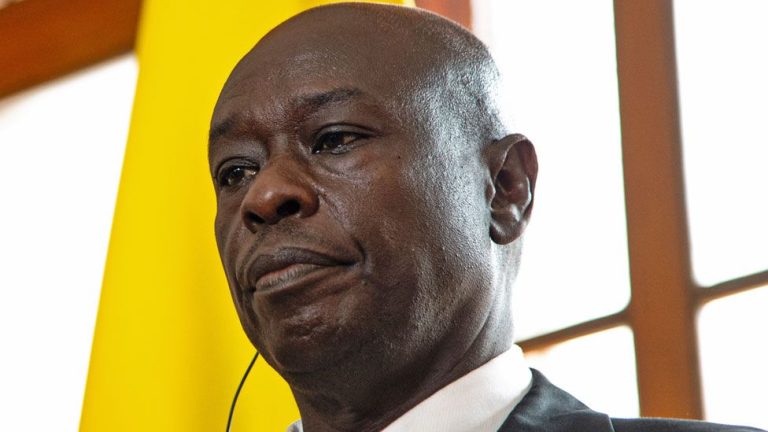
The true test of a leader’s character is not what they say or do when they are out of power—but how they wield that power when they have it. Former Deputy President Rigathi Gachagua is a perfect example of this test gone terribly wrong.
While in office, Gachagua had a historic opportunity to redefine leadership in Mt. Kenya and Kenya at large. Instead, he chose to play petty politics, fan ethnic resentment, and alienate colleagues. He mistook arrogance for authority, and entitlement for strategy. What followed was a trail of division, insults, and missed opportunities. His brief tenure at the helm was marked not by transformation, but by tribal ultimatums and political tantrums.
Now that he’s out of office—following his impeachment and loss of national stature—Gachagua is attempting a desperate public comeback by posing as a victim of political betrayal. But let’s be clear: this is not the language of statesmanship. It is the rage of a man who squandered power and now seeks sympathy through revisionist history and selective outrage.
As the English playwright William Congreve once wrote in The Mourning Bride (1697), “Hell hath no fury like a woman scorned.” In this case, hell hath no fury like a politician stripped of privilege. Gachagua’s current fury is not rooted in principle, but in loss. His words carry no weight because his actions in power betrayed the very values he now claims to stand for.
Kenya deserves better than recycled bitterness masquerading as leadership. Rigathi Gachagua should not be romanticized. He should be remembered for what he was: a cautionary tale of how not to lead. Dismiss his noise with the contempt it deserves. His time came—and he wasted it.