Lynn Ngugi has sparked national conversation with a powerful statement that questions Kenya’s political memory and sense of hope.
“If Gachagua is the hope, then maybe the real problem isn’t just the politicians—it’s our memory. Can the man who stood by as a nation bled suddenly become its savior?” she asked, striking at the heart of Kenya’s political dilemma.
Her words are a sharp reminder of Rigathi Gachagua’s controversial tenure as Deputy President. Once seated at the heart of power, Gachagua presided over a period marked by economic hardship, tribal rhetoric, and open hostility toward voices of dissent.
Yet, following his impeachment, he has repositioned himself as a voice of the people—conveniently forgetting the power he once wielded and the silence he maintained as ordinary Kenyans suffered.
Ngugi’s critique invites deeper introspection: Is Gachagua genuinely reformed, or is he simply repackaging himself for political survival? When in office, he often chose intimidation over dialogue, and division over unity.
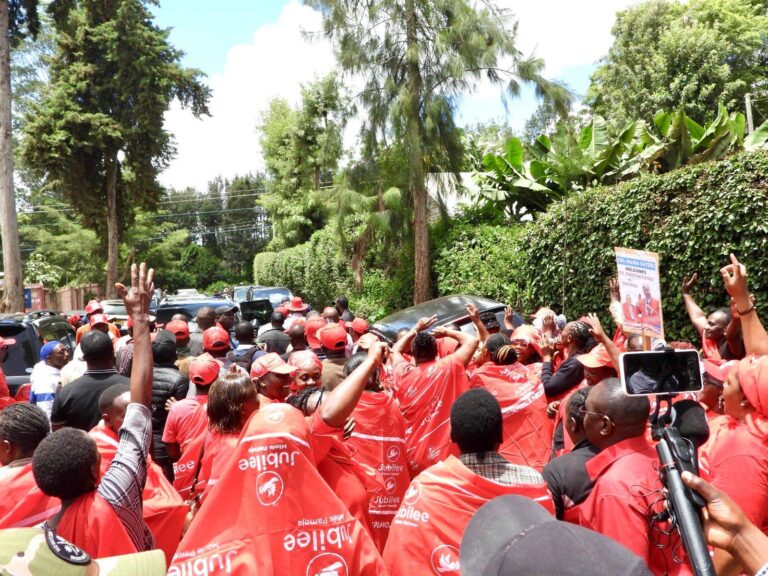
Today, he walks among crowds claiming to be their defender—yet little about his character suggests transformation.
The danger isn’t just in Gachagua’s rebranding. It’s in our national tendency to forget and forgive without accountability. If leaders are not held responsible for their past actions, then any failed politician can return in sheep’s clothing—waiting to bite again. Lynn’s words are not just a critique of one man, but a wake-up call to a forgetful nation flirting with recycled leadership.