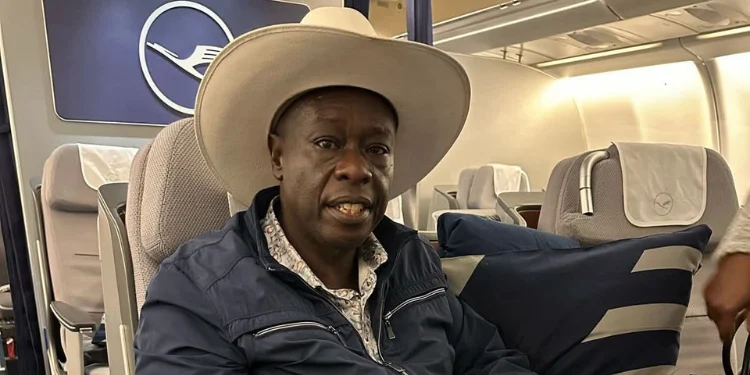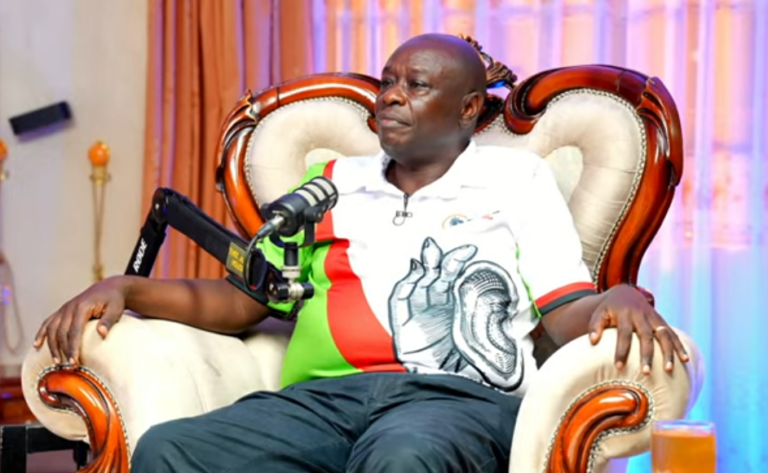
In every democracy, leaders are judged not just by their titles but by their conduct, values, and impact on society. The case of the impeached Deputy President Rigathi Gachagua offers a disturbing study in how dangerous political rhetoric, tribal incitement, and unchecked arrogance can corrode the fabric of a nation.
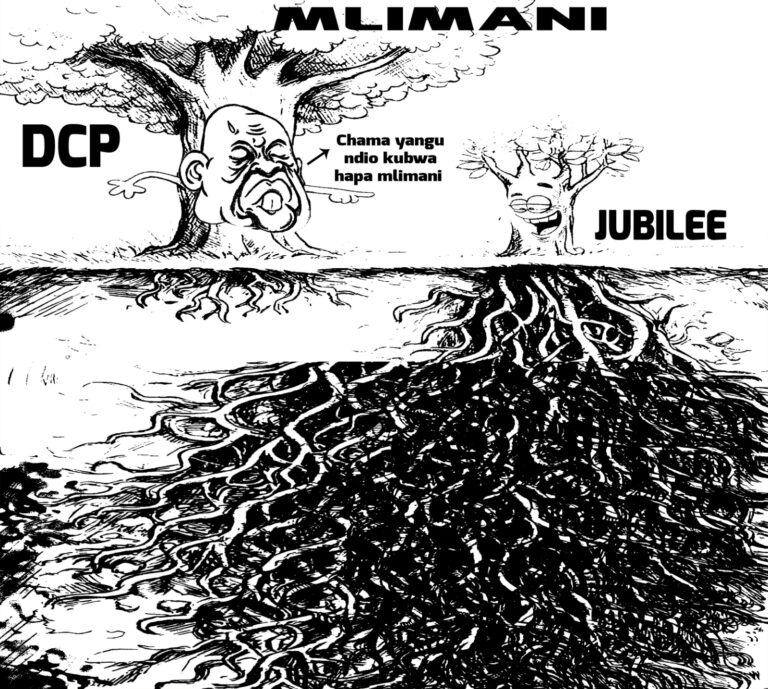
Gachagua has shown traits reminiscent of a political tyrant—unwilling to be questioned, aggressively dismissive of dissenting voices, and quick to play the ethnic card when challenged. He has openly suggested that government resources belong to those who voted for the regime—a clear contradiction of the spirit of constitutionalism and national cohesion. His divisive “shareholding” analogy reduced Kenyans to political commodities, pitting region against region and weakening our unity.
His obsession with portraying himself as the “kingpin” of the Mt. Kenya region, while dismissing legitimate leaders and voices within and beyond that community, reflects a self-centered approach to leadership. Worse, he has used public platforms to issue veiled threats, insult opponents, and distort facts to portray himself as a victim of betrayal. This is not statesmanship—it is manipulation.
Kenyans, particularly the youth, must beware of such leadership. Gachagua’s style thrives on fear, tribal allegiance, and manufactured victimhood. If left unchecked, it risks entrenching a political culture where truth is secondary to loyalty and where ethnicity is used as a weapon, not a heritage.
Leadership must unite, not divide. It must inspire, not incite. Rigathi Gachagua has consistently chosen the latter. For a country still healing from past ethnic wounds, we cannot afford to empower voices that weaponize identity for political survival.
The time to call out such behavior is now. Kenyans deserve better.