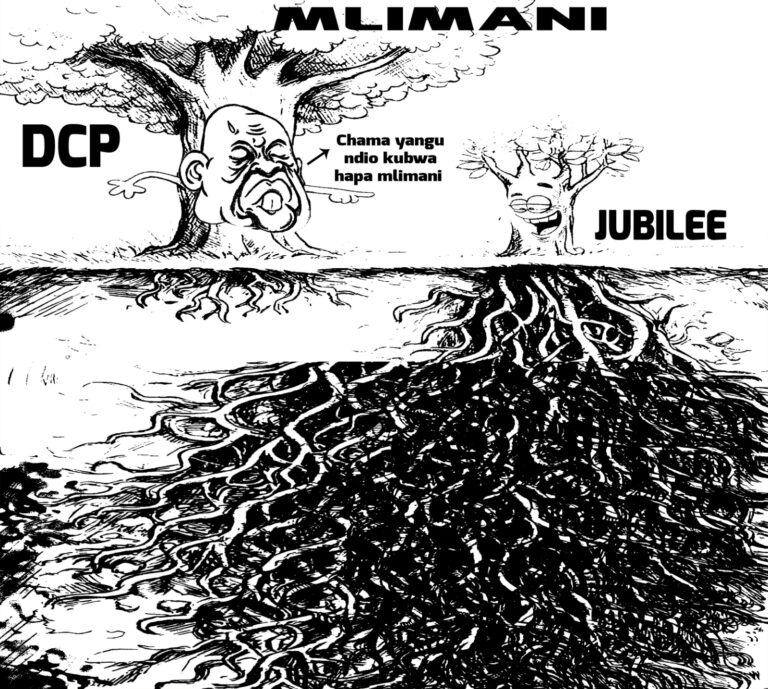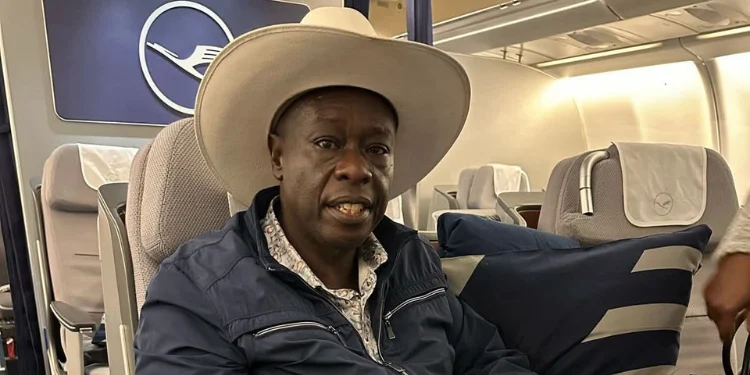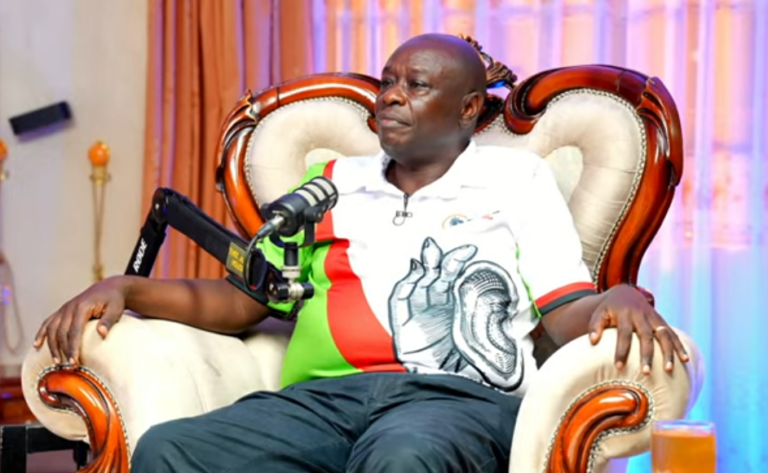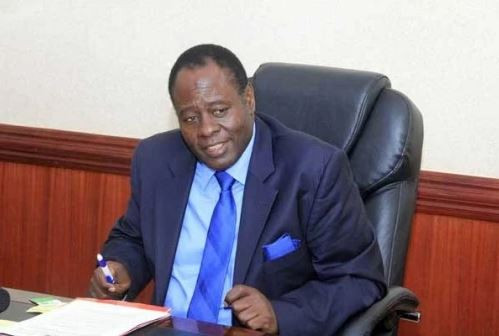
In politics, speed without direction is a dangerous thing. Rigathi Gachagua’s political career is a textbook case of a leader too impatient for growth, too obsessed with control, and too eager to be seen as “the man”—even when nobody was chasing him. He has been running alone, yet somehow, managed to overtake himself and crash.
When Gachagua rose to power as Deputy President in 2022, he had a rare opportunity to mature politically and establish himself as Mt. Kenya’s long-term kingpin. But instead of using the moment to learn, grow and build alliances, he focused on consolidating power, creating enemies within, and speaking like he was already the next President. He campaigned more than he governed. He threatened more than he led.
Gachagua didn’t understand that political capital is not spent on personal battles. He used his time and platform to intimidate colleagues, promote tribal rhetoric, and act as if loyalty to him was more important than loyalty to the country. In doing so, he became isolated—even among those who once stood with him.
By 2024, Gachagua had burned too many bridges. His impeachment didn’t come from the opposition; it came from within—the very government he helped form. He was removed not because of ideology, but because of character: erratic, divisive, and increasingly toxic.
Ironically, Gachagua now claims betrayal. But in truth, he betrayed himself. He mistook noise for influence, aggression for leadership, and power for entitlement. He overran his own allies, overtook his own pace, and eventually overtook himself.
Leadership is not a solo race. It’s a marathon of patience, listening, service, and restraint. Gachagua chose speed over strategy, ego over unity—and paid the price.
He wasn’t pushed out. He sprinted out… all by himself.