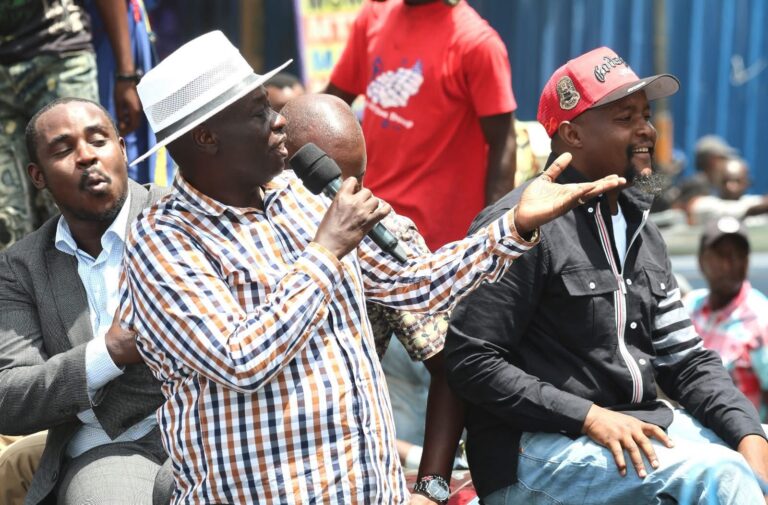
Across Kenya’s vibrant capital, Nairobi, where the rhythm of political unrest pulses strongest, a stark reality emerges—one that reveals the weakness of the country’s opposition and the heavy burden it places on its youth. Former Deputy President Rigathi Gachagua, once a steadfast ally of President William Ruto, now portrays himself as the torchbearer of opposition politics. Yet, his actions—or lack thereof—tell a different story, one of personal vendettas and calculated absence, leaving Kenya’s Generation Z to shoulder the burden of dissent alone.
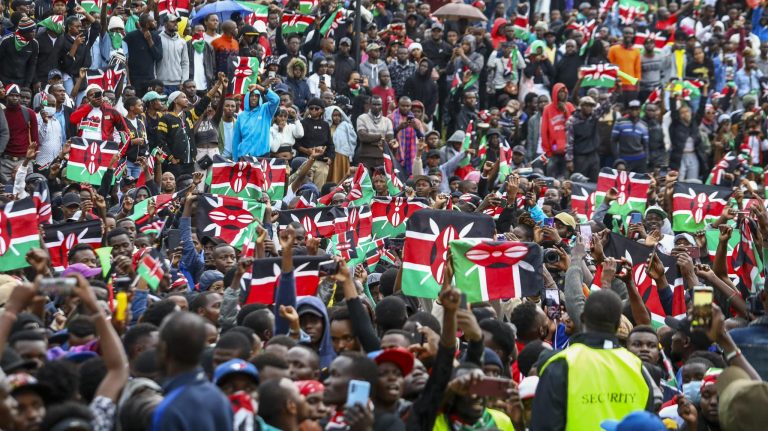
The streets of Nairobi are no stranger to protests. Last year, Gen Z-led demonstrations against punitive taxes and systemic corruption shook the nation, culminating in a historic storming of parliament on June 25, 2024, which forced Ruto to withdraw a controversial finance bill. The cost was heavy: lives were lost and as the anniversary of those protests approaches, Gen Z is mobilizing again, declaring June 25, 2025, a “People’s Public Holiday” to honor the fallen and demand accountability. Yet, where is the opposition that claims to champion their cause?
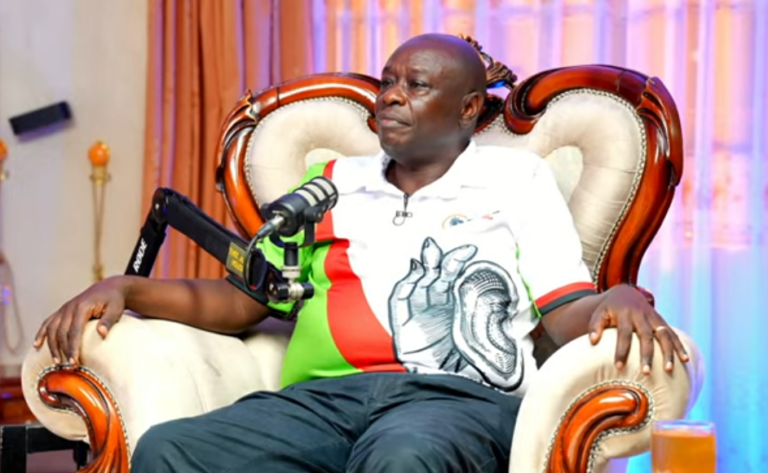
Gachagua, impeached in October 2024 and sidelined from the corridors of power, has positioned himself as the voice of the disenfranchised. From church pulpits in Kirinyaga to media houses like Kameme TV, he rails against Ruto, accusing the president and Nairobi Governor Johnson Sakaja of orchestrating violence against protesters. He speaks of “government-hired goons” from Umoja and Kayole, alleging plots to kill demonstrators, and questions the legitimacy of burned cars used to justify police crackdowns. His words are fiery, his tone urgent, but his actions betray a different motive. Posts on X paint a picture of a man more consumed by personal bitterness than by a genuine commitment to systemic change. One user notes, “Rigathi is the most RUTHLESS opposition figure I have come to know,” but questions whether his motives are rooted in public interest or personal score-settling.
Contrast this with the opposition of yesteryear. A younger Raila Odinga, the firebrand of Kenyan politics, would have been on the frontlines, marching shoulder-to-shoulder with the youth.
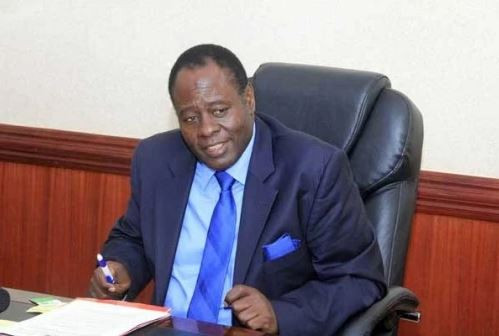
Gachagua’s opposition feels performative. Homa Bay MP Peter Kaluma, in a scathing online jab, dared Gachagua to join the protests if he truly believed in his rhetoric. The challenge went unanswered. Instead, whispers on X suggest Gachagua plans to be out of the country on June 25, conveniently absent as Gen Z prepares to face tear gas and batons. His absence is telling. While he leverages church events to attack Ruto—sometimes veering into personal jabs at the president’s family—he stops short of the physical courage demanded of true opposition leaders.
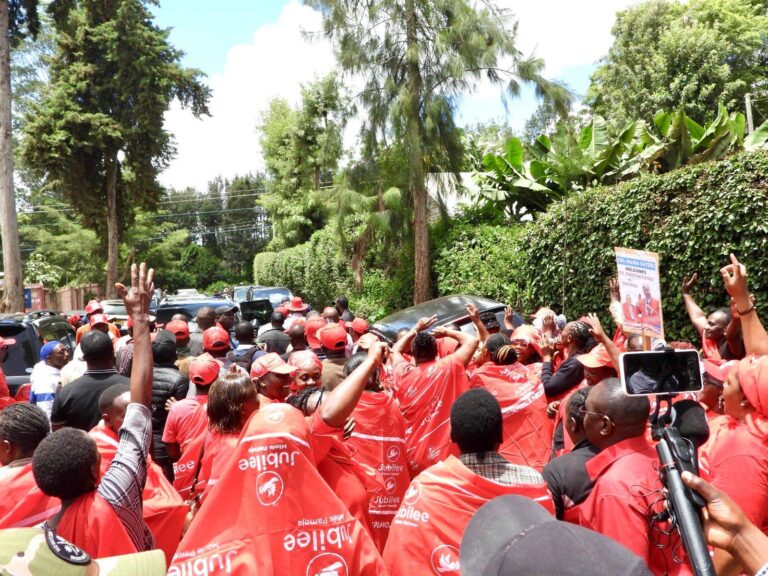
The youth, undeterred, remain the vanguard of Kenya’s resistance. However, the absence of a unified opposition leaves them vulnerable, forced to bear the “heavy lifting” of dissent while figures like Gachagua reap political benefits from the sidelines. This is not opposition; it is opportunism. Gachagua’s rhetoric may resonate in church halls, but it rings hollow on the streets where Kenya’s future is forged. The nation deserves an opposition that matches the courage of its youth—one that stands alongside them, not behind them. As June 25 approaches, the question lingers: will Kenya’s leaders rise to the occasion, or will Gen Z continue to carry the weight of a nation’s fight alone?