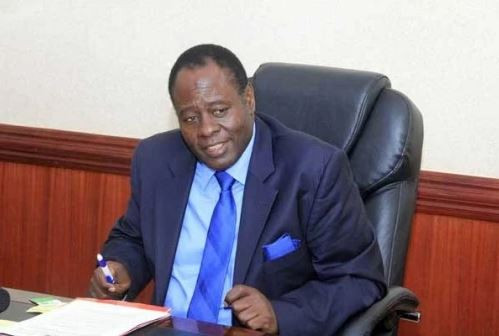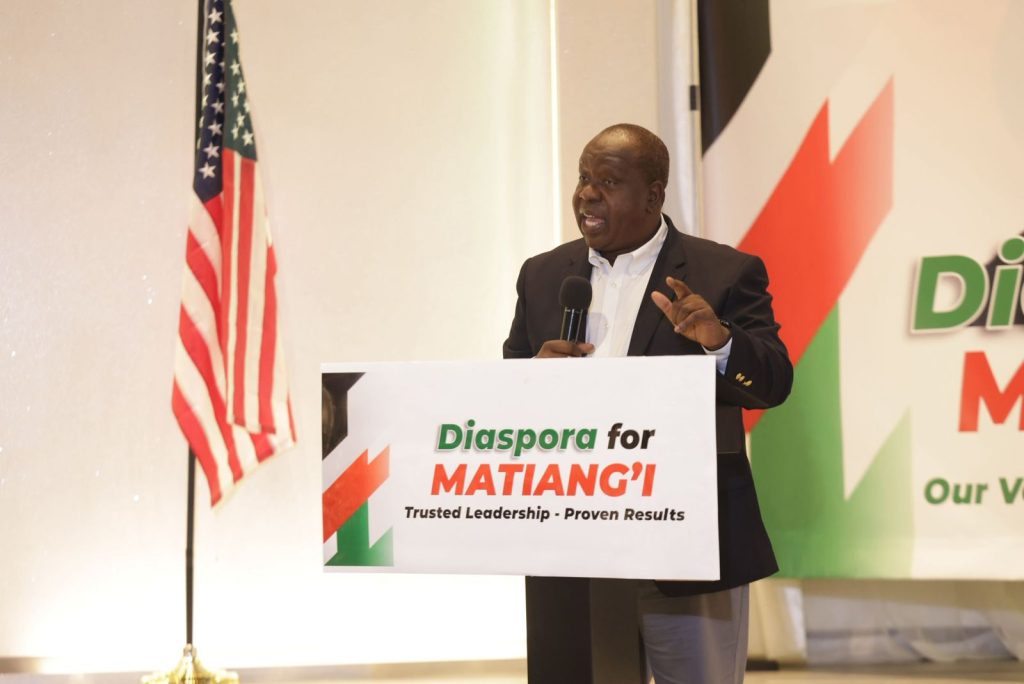
As Kenya’s political landscape heats up ahead of the 2027 General Election, a surfaced video of former Interior Cabinet Secretary Fred Matiang’i has ignited a fresh debate about the kind of leadership the country desperately needs.
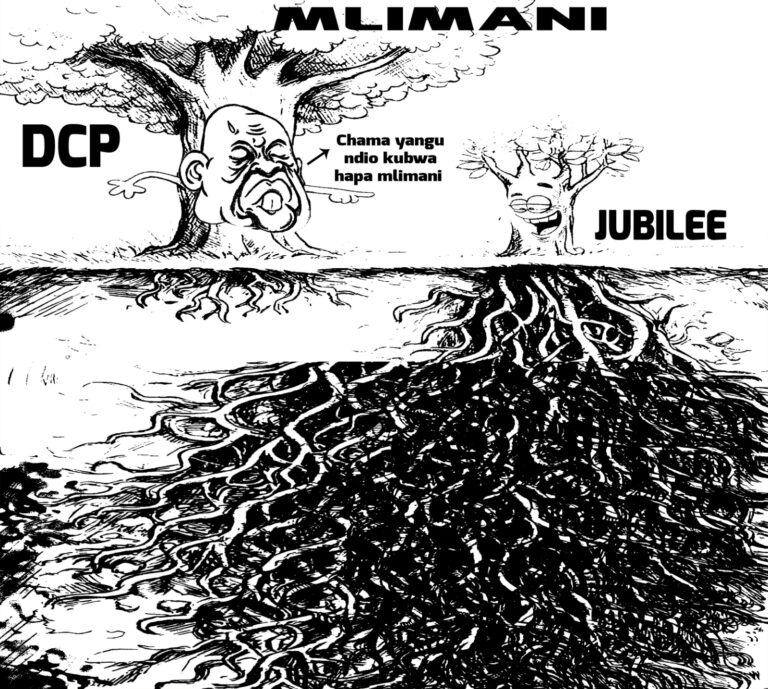
In the video, Matiang’i delivers a pointed rebuke of tribal politics, emphasizing that Kenya’s future hinges on leaders with a proven track record and concrete plans to unite and advance the nation. His words, widely circulated on social media, take a subtle but unmistakable swipe at former Deputy President Rigathi Gachagua, whose campaign rhetoric has leaned heavily on regional and ethnic loyalties, particularly in the vote-rich Mt. Kenya region.
Matiang’i’s message is clear: Kenya must move beyond the divisive tribal arithmetic that has long plagued its politics. And in this moment, the former CS emerges as a compelling alternative to Gachagua’s outdated playbook.
The video captures Matiang’i in his element—calm, articulate, and resolute. “Kenya needs leaders with a track record, leaders with plans to move the country forward, not those who keep talking about tribes,” he says, his voice carrying the weight of a man who has navigated the country’s turbulent political waters.
The remark, though not naming Gachagua explicitly, lands like a precision strike against the former deputy president, who has repeatedly positioned himself as the Mt. Kenya region’s kingpin, claiming to wield its numerical strength as a bargaining chip in coalition talks. Gachagua’s strategy, rooted in mobilizing ethnic loyalty over national vision, feels increasingly out of step with a Kenyan electorate yearning for transformative leadership.
Matiang’i’s credentials bolster his case. As Interior CS, he earned a reputation as a no-nonsense reformer, tackling corruption in the security sector and driving efficiency in public administration. His tenure as Education CS saw the successful rollout of the competency-based curriculum, a bold—if controversial—step toward modernizing Kenya’s education system.
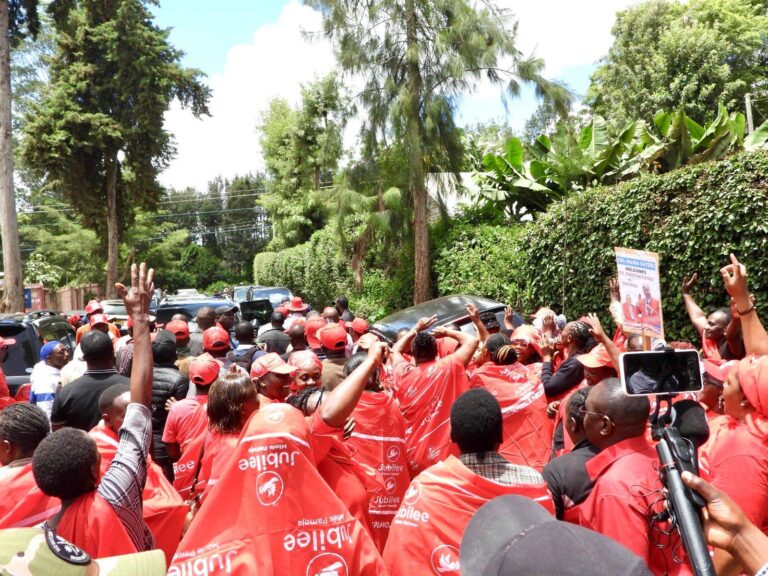
Supporters, including the Jubilee Party, which endorsed him as its 2027 flagbearer, point to his administrative competence and cross-regional appeal as evidence of his readiness to lead. “Matiang’i is the bride people want to take home,” political commentator Eric Okeyo recently told The Star, underscoring his growing popularity.
Contrast this with Gachagua, whose political stock has taken a beating since his impeachment as deputy president in 2024. His rhetoric, often laced with references to Mt. Kenya’s “numbers” and grievances, has alienated potential allies and painted him as a regional warlord rather than a national leader.
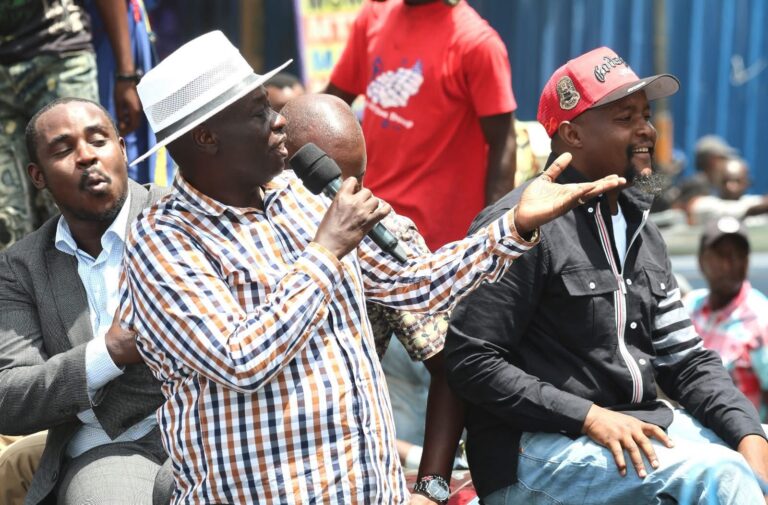
At a recent opposition rally in Nyeri on May 4, 2025, Gachagua hosted heavyweights like Matiang’i, Martha Karua, and Eugene Wamalwa, but his speech leaned heavily on local loyalties, accusing President Ruto of betraying Mt. Kenya. “You can take our money, but we will never forgive you for taking Rigathi for granted,” Nyeri Governor Mutahi Kahiga declared at the event, echoing Gachagua’s regionalist tone. Such rhetoric, while resonant in parts of Central Kenya, risks alienating voters elsewhere and undermines the opposition’s broader goal of unseating Ruto.
Gachagua’s tribal posturing is not just a strategic misstep; it’s a liability. Posts on X have begun to highlight his vulnerabilities, with some users pointing to Matiang’i’s cleaner record and broader appeal. One post noted Matiang’i’s controversial tenure but argued that his administrative achievements outshine Gachagua’s divisive rhetoric. Gachagua’s legal troubles further dim his prospects.
Impeached for violating the Constitution, he faces a potential ban from public office under Article 75(3), a hurdle that could derail his presidential ambitions before they fully take shape.
Meanwhile, the opposition’s unity—forged in meetings like the one in Nairobi on April 29, 2025, where Matiang’i, Karua, Wamalwa, and Kalonzo Musyoka strategized—signals a shift toward a coalition built on shared ideals rather than ethnic bargaining. Karua, a veteran advocate for justice, and Wamalwa, with his inclusive rhetoric, have both called for subordinating personal ambitions to the national good. Matiang’i’s emphasis on merit and track record aligns with this vision, positioning him as a frontrunner who can bridge Kenya’s diverse communities.
Gachagua’s tribal drumbeat, while potent in pockets, is a relic of a bygone era. Kenya’s youth, who powered the Gen Z protests of 2024, and an increasingly discerning electorate demand leaders who prioritize competence over clan. Matiang’i, flaws and all, offers a glimpse of that future—a leader who speaks to Kenya’s aspirations, not its divisions.
As the 2027 race takes shape, Gachagua’s chest-thumping may rally a few, but it’s Matiang’i’s call for unity and progress that could carry the day. Kenya deserves better than a presidency built on tribal arithmetic—it deserves a president who serves all Kenyans.