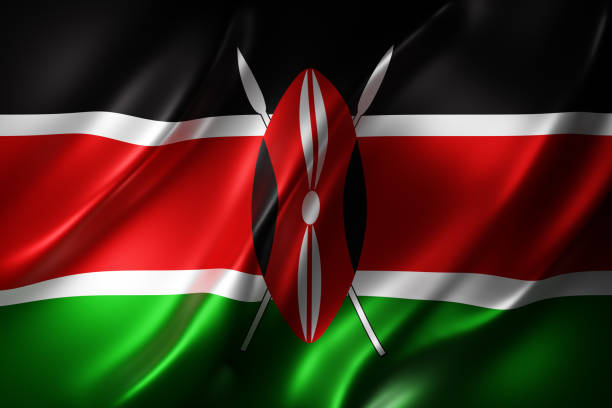
3d rendering of a textured national Kenya flag.
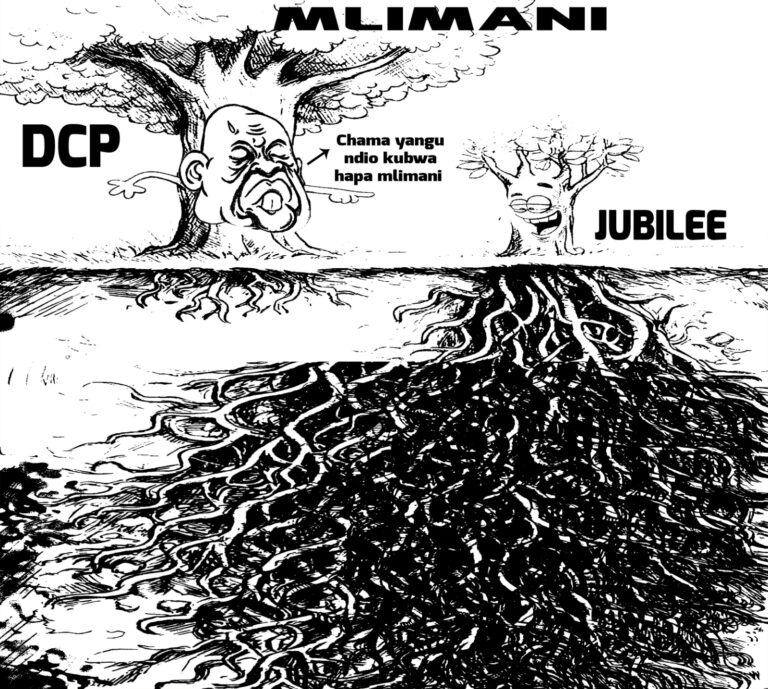
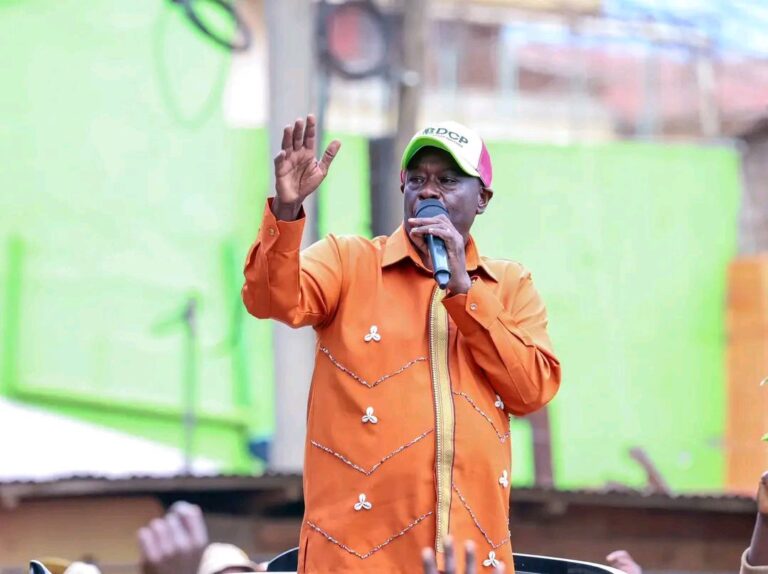
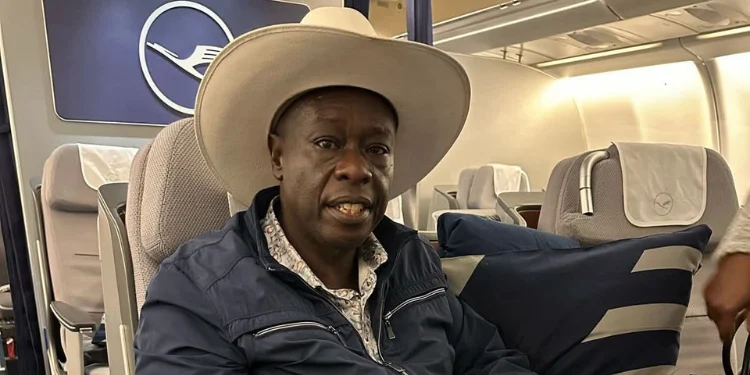
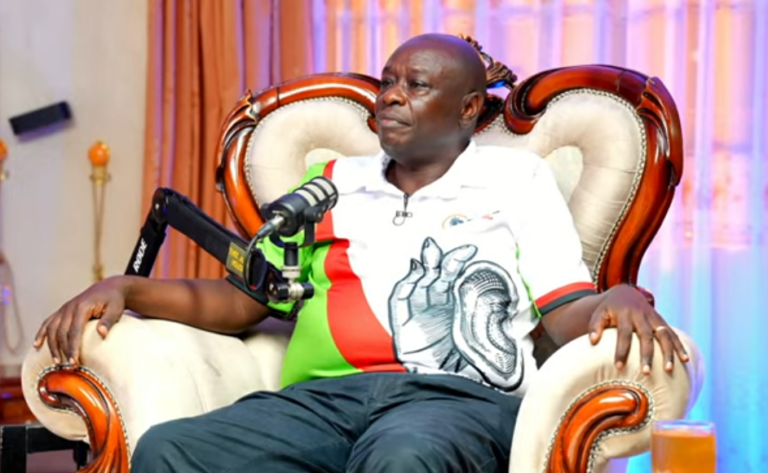
Former Deputy President Rigathi Gachagua has increasingly become a symbol of ethnic politics in Kenya, often framing national issues through a tribal lens rather than championing unity and inclusivity. His rhetoric and actions have served to alienate communities and weaken efforts to build a cohesive, progressive nation.
One of the most alarming instances was his declaration that government resources should be distributed based on voting patterns. This statement, suggesting that only areas that supported the ruling coalition deserve development, directly contradicts the principles of equity and fairness enshrined in Kenya’s Constitution. Every Kenyan, regardless of political affiliation or ethnicity, is entitled to equal access to public services.
Gachagua has also consistently positioned himself as the sole spokesperson for the Mt. Kenya region, demanding political loyalty and discouraging cooperation with leaders from other parts of the country. Such behavior undermines national dialogue and discourages collaboration across ethnic and regional lines — essential ingredients for meaningful progress.
Moreover, his confrontational approach towards leaders from other communities, particularly those from the Nyanza, Western, Rift Valley and the Coast, has inflamed tensions. Instead of building alliances that serve the interests of all Kenyans, Gachagua often uses fear and suspicion to solidify his regional base — not for the benefit of the people, but to expand his political influence.
Kenya is a diverse nation that can only thrive through inclusive leadership. The future belongs to leaders who seek to unite, not divide; who prioritize development over ethnic loyalty. Gachagua’s brand of politics, rooted in exclusion and tribalism, represents a step backward. For Kenya to prosper, we must reject divisive narratives and embrace a politics of unity, fairness, and shared progress.